Garden
What Our North Texas Garden Looks Like in August — and What We're Doing Next
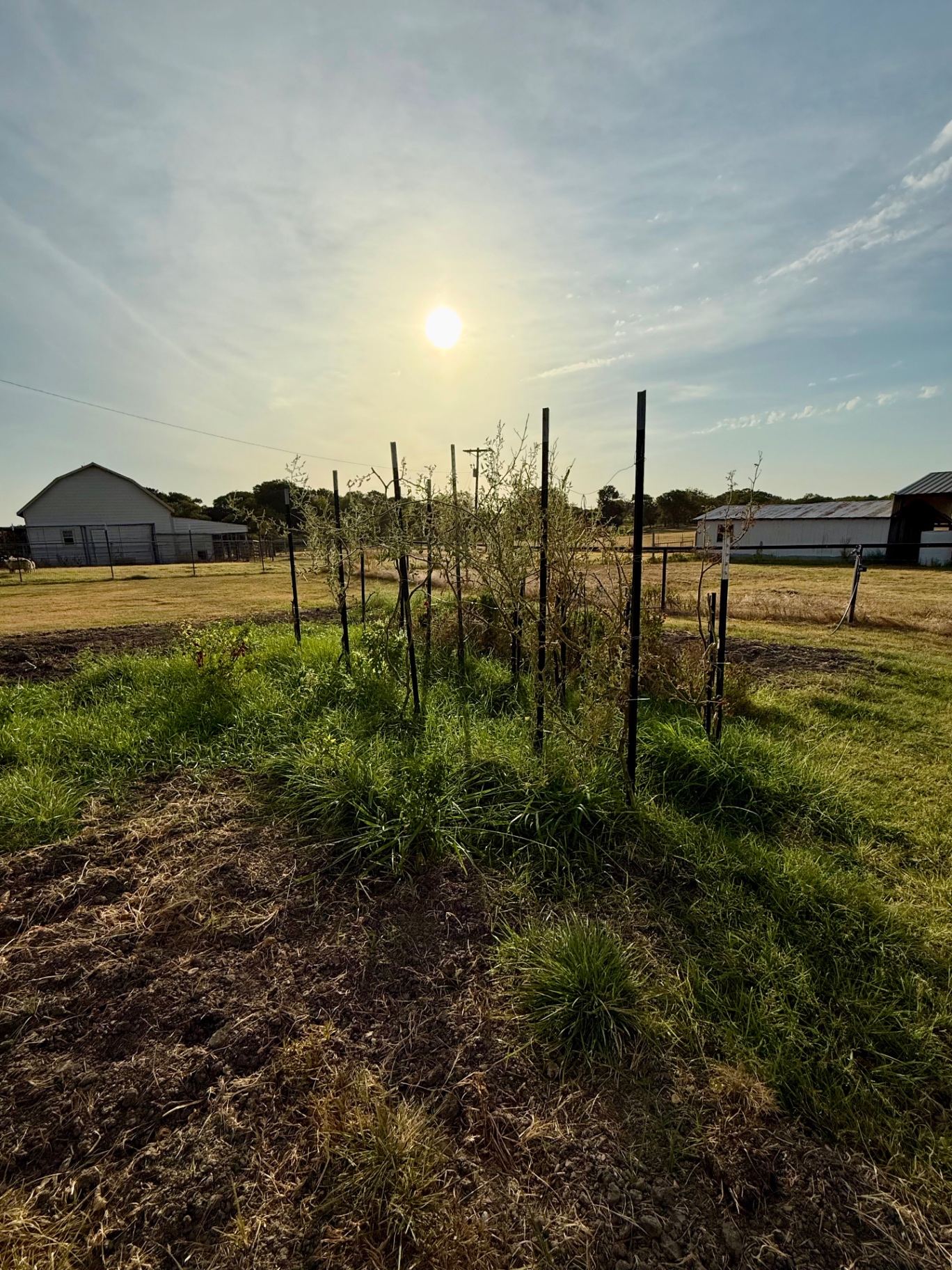
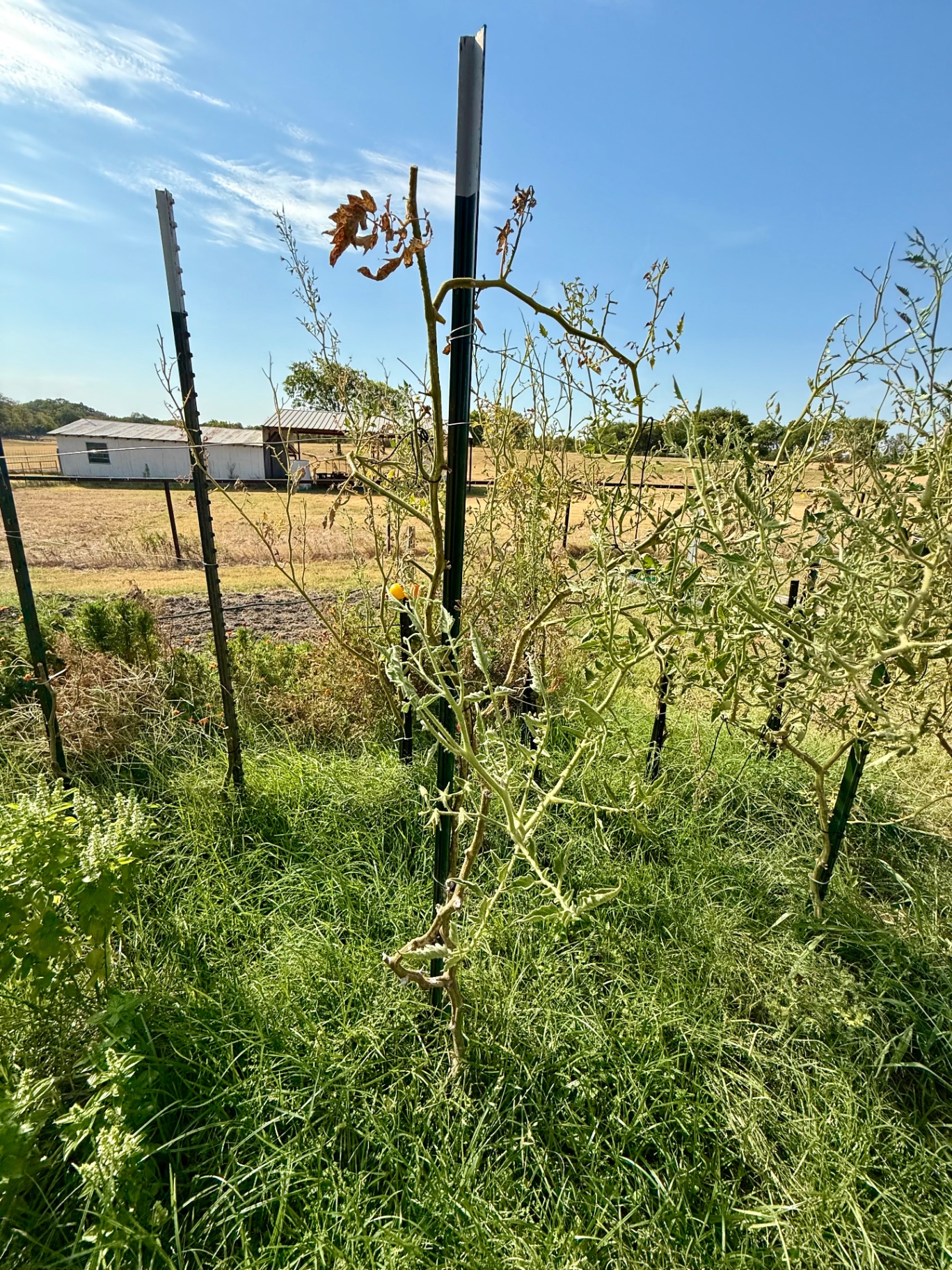
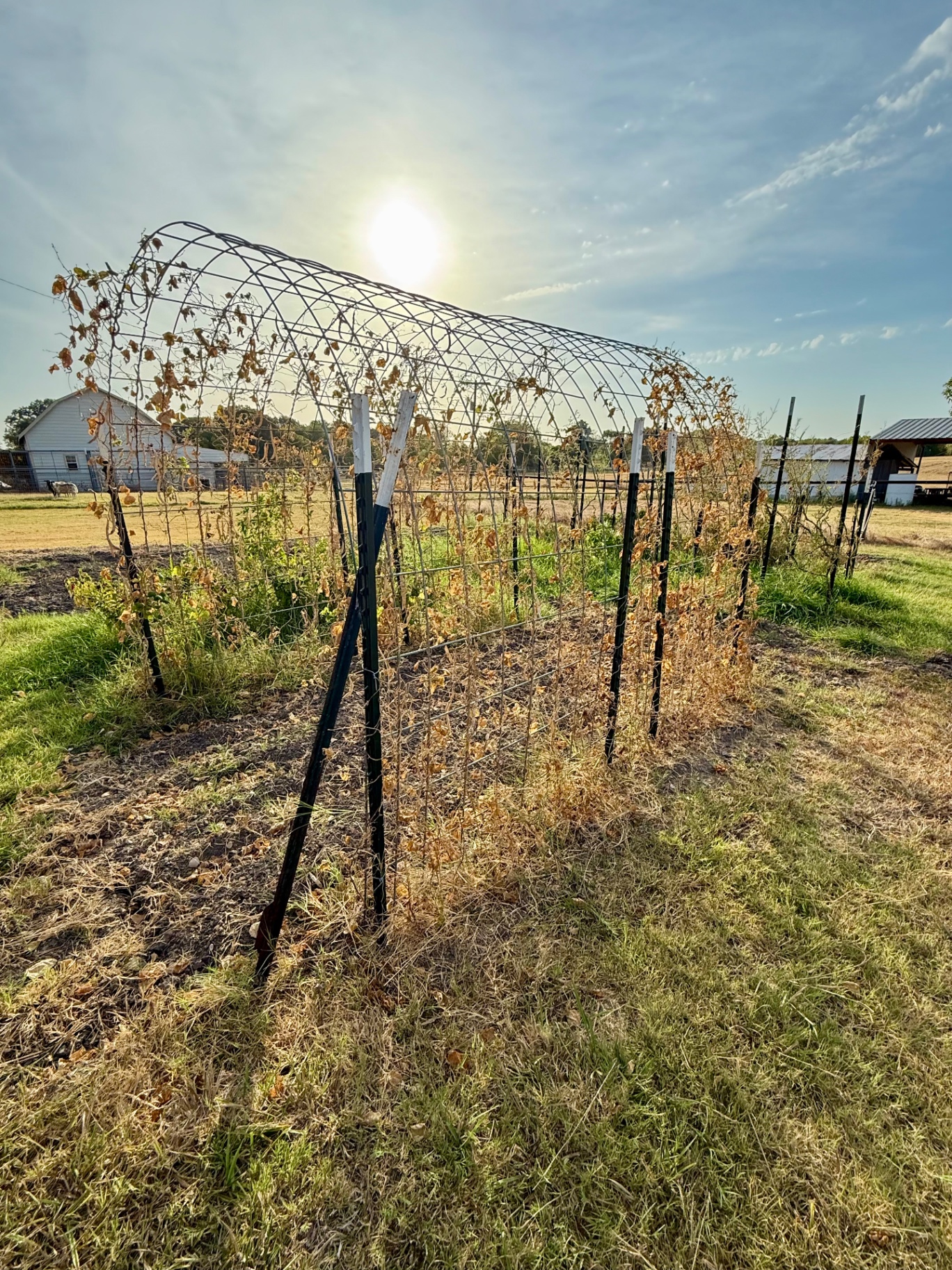
By August, our garden does not look anything like it did in spring. The tomatoes are tired, the trellises are holding onto dried vines, the grass has crept into places we did not invite it, and some parts of the garden are simply finished for the season. That does not mean the garden failed. It means summer has run its course. At this point, our job is less about trying to keep every plant going and more about deciding what is done, cleaning up what we can, and getting the garden ready for whatever comes next.
August Is the Point Where We Stop Trying to Save Everything
The hardest part of late-summer gardening is knowing when to stop trying to revive a plant that is simply finished.
By August, the heat has taken a toll on a lot of the garden. Some plants may still technically be alive, but if they have stopped producing, lost most of their healthy foliage, or are mostly hanging on out of habit, I do not see much value in keeping them indefinitely.
That is especially true for our tomatoes.
Once a plant is mostly bare, no longer producing, and clearly declining, I would rather pull it than keep watering it just to keep it hanging on.
That is not giving up on the garden. It is just recognizing that one part of the season is over.
The Garden Does Not Have to Look Pretty Right Now
Our garden looks rough in August.
There is grass in the rows. There are dried vines on the trellises. Some areas are bare while others are overgrown.
And honestly, that is normal for us by this point in the summer.
I do not try to turn the whole garden back into a perfect spring picture in one afternoon. The goal is simply to start clearing what is finished and make the space easier to manage again.
We pull dead plants, remove dried vines, and work through the areas that need attention one section at a time.
We Start With the Obvious Things
The easiest place to start is with anything that is clearly done.
That usually means:
- spent tomato plants
- dead or dried vines
- plants that have completely stopped producing
- weeds and grass that have taken over empty spaces
- old plant material caught in trellises or supports
Once those things are gone, the garden immediately feels less overwhelming.
It also makes it easier to see what is still worth keeping.
We Clean Up the Trellises Before Fall
The cattle-panel trellises and other supports stay in the garden, so once the vines are finished, I like to get the dead growth off of them.
That keeps old plant material from hanging around indefinitely and gives us a cleaner structure to work with the next time we plant.
The supports themselves do not need to come down. We just clear away what the summer garden left behind.
It is the same set of rows I wrote about in how we lay out and plant our garden rows.
We Leave Anything That Still Has a Reason to Be There
I do not pull something just because the calendar says August.
If a plant still looks healthy and is actively producing, it can stay.
The point of the cleanup is not to empty the garden all at once. It is to stop spending time and water on plants that are clearly finished while leaving anything that still has some life left in it.
That is one of the reasons I prefer to work through the garden gradually instead of doing one huge end-of-season cleanup.
The sweet corn is a good example of a crop that finishes on its own schedule — that season is in growing sweet corn in our in-ground garden.
The Strawberry Bed Is Its Own Project
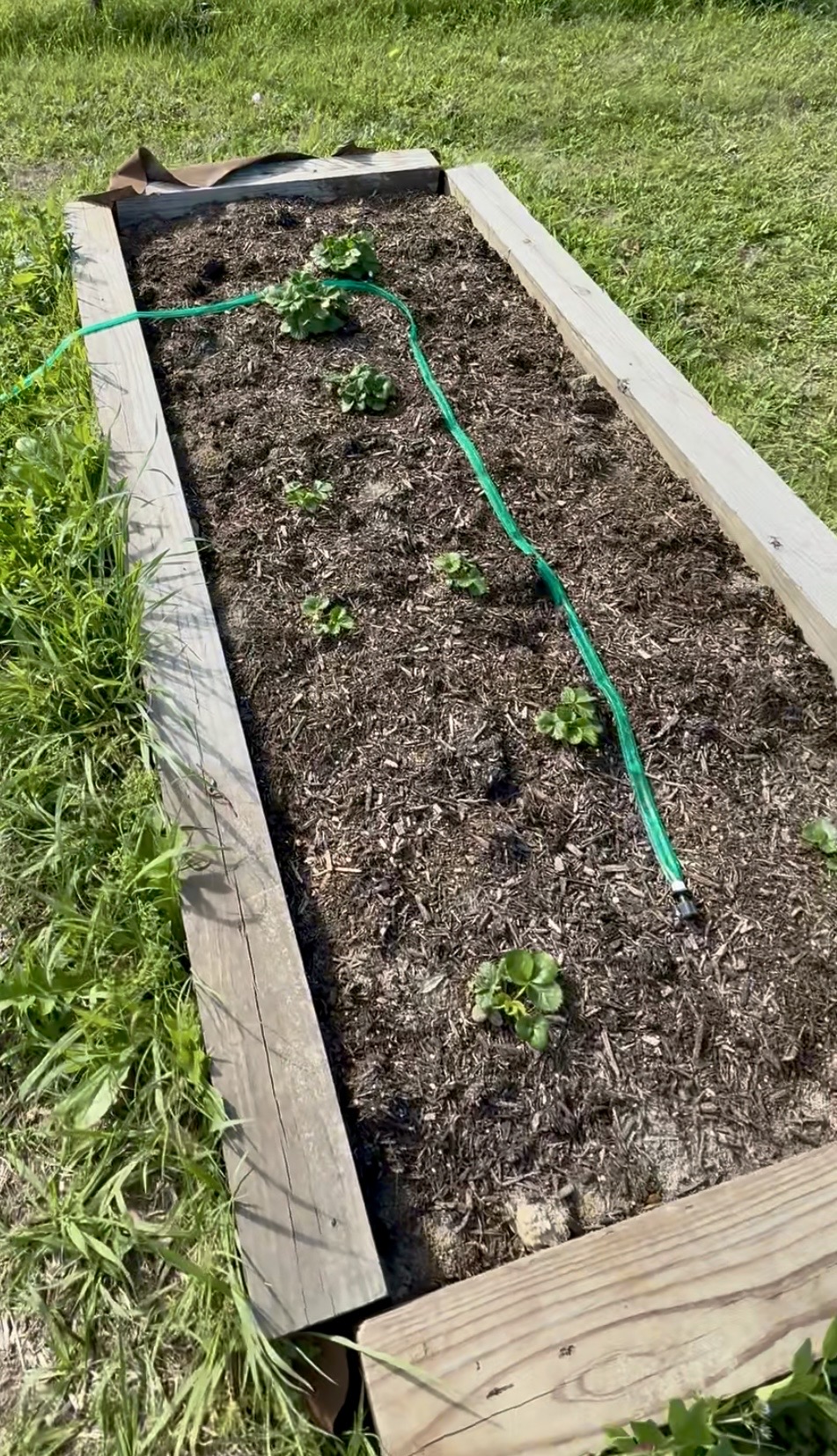
Our strawberries grow in a separate raised bed, and that bed gets handled differently from the main in-ground garden.
It needs its own cleanup and watering plan going into fall, so I am treating that as a separate project rather than lumping it into the general garden cleanup.
What We Are Doing Next
Once the obvious summer plants are out and the garden is easier to see again, we can start thinking about the next season.
For us, that means:
- clearing finished summer crops
- removing dead plant material
- keeping the watering system where it is still useful
- cleaning up trellises and supports
- deciding what is worth leaving in place
- preparing open areas for fall planting where it makes sense
I do not expect the garden to look perfect in August.
I just want it moving in the right direction.
The soaker hoses and timer stay right where they are — that setup is in how we water our garden without standing outside with a hose.
What I've Learned
Every season has a point where the garden changes from growing mode into cleanup mode.
For us, August is usually that point.
There are still things happening out there, but the garden no longer needs the same kind of attention it needed in spring.
Instead of trying to force the summer garden to keep going, I would rather clear what is finished, keep what still makes sense, and make room for the next season.
A rough-looking August garden is not a failure. Sometimes it is simply what the end of summer looks like.
The tools we actually reach for out there are all on our favorites page.