Seed Starting
How We Start Seeds at Home: Our Simple Method
Every spring, starting seeds is one of the first signs that garden season is getting close. We pull out the trays, potting mix, labels, and the little indoor greenhouse we keep in our kitchen and start getting tomatoes, peppers, and a few other favorites ready for the garden. Our setup has changed some over the years, but it's still pretty basic. You don't need a complicated system to start seeds at home, and you definitely don't need to start everything indoors. This is what we use, what we start inside, and a few things we've learned along the way.
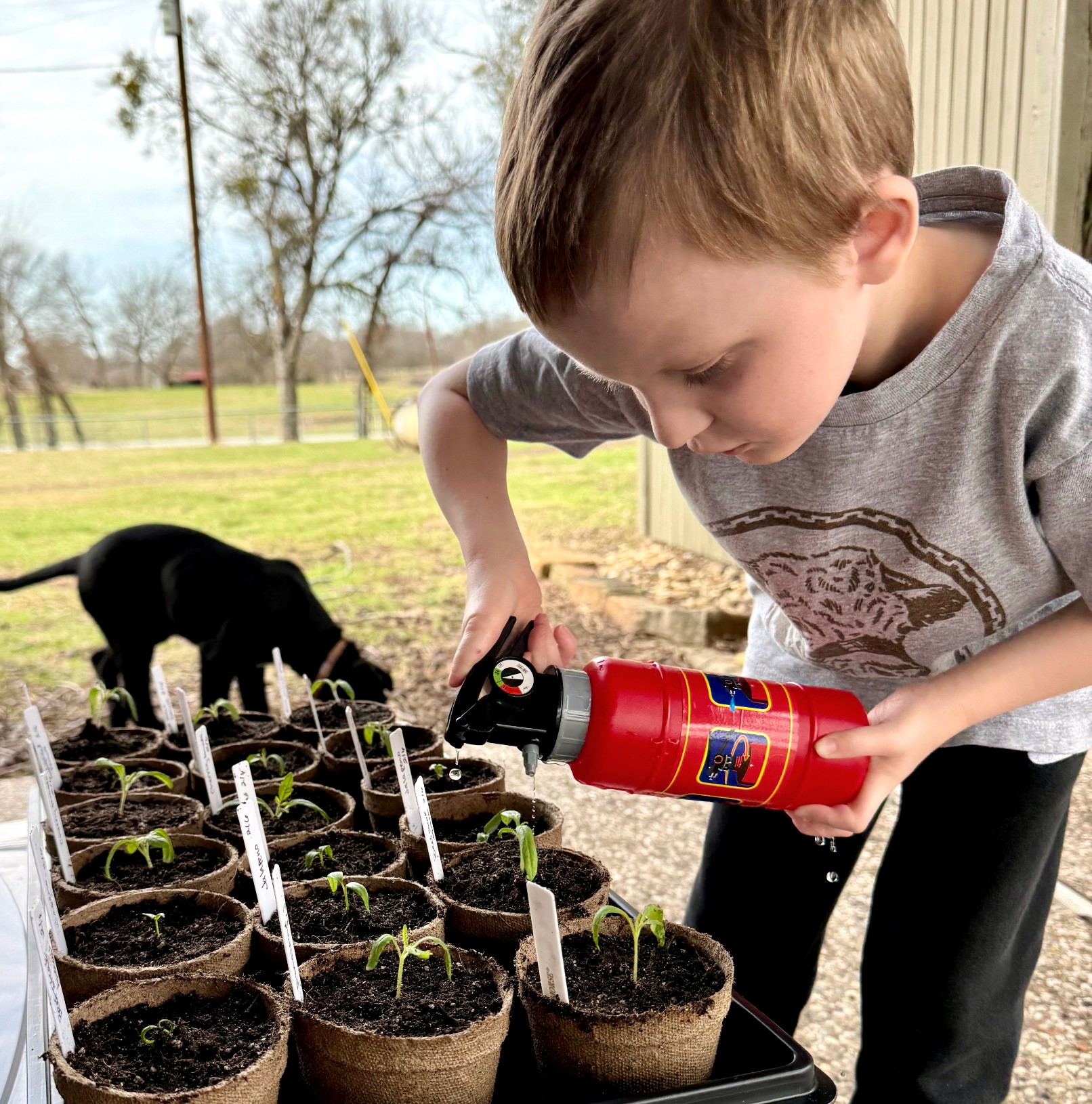
Why We Start Seeds
One of the first things we learned was how much farther a packet of seeds goes than buying individual transplants. For about the price of one or two plants at the garden center, we can start enough seedlings for several garden rows.
Starting from seed also gives us more choices. Garden centers only have room for so many varieties, while seeds let us choose the tomatoes, peppers, herbs, and other varieties we actually want to grow.
At this point, starting seeds has simply become part of getting ready for another garden season. Some years we try something new, some things germinate better than others, and we usually start a few extras so we can keep the strongest seedlings.
Our Simple Setup
Our seed-starting setup lives in a small indoor greenhouse in our kitchen. We use seed trays and peat pellets, seed-starting mix, plant labels, lights, heat pads underneath when seeds need extra warmth, and small fans for air movement.
The heat helps with germination, while good light and a little airflow help the seedlings grow sturdier once they emerge.
We water gently, especially in the beginning. A spray bottle or squeeze bottle works well because a heavy stream of water can disturb tiny seeds or newly emerged seedlings. The goal is damp soil, not soggy soil.
We also start more seeds than we expect to plant. Not every seed germinates and not every seedling becomes a strong transplant, so starting extras gives us room to keep the healthiest plants.
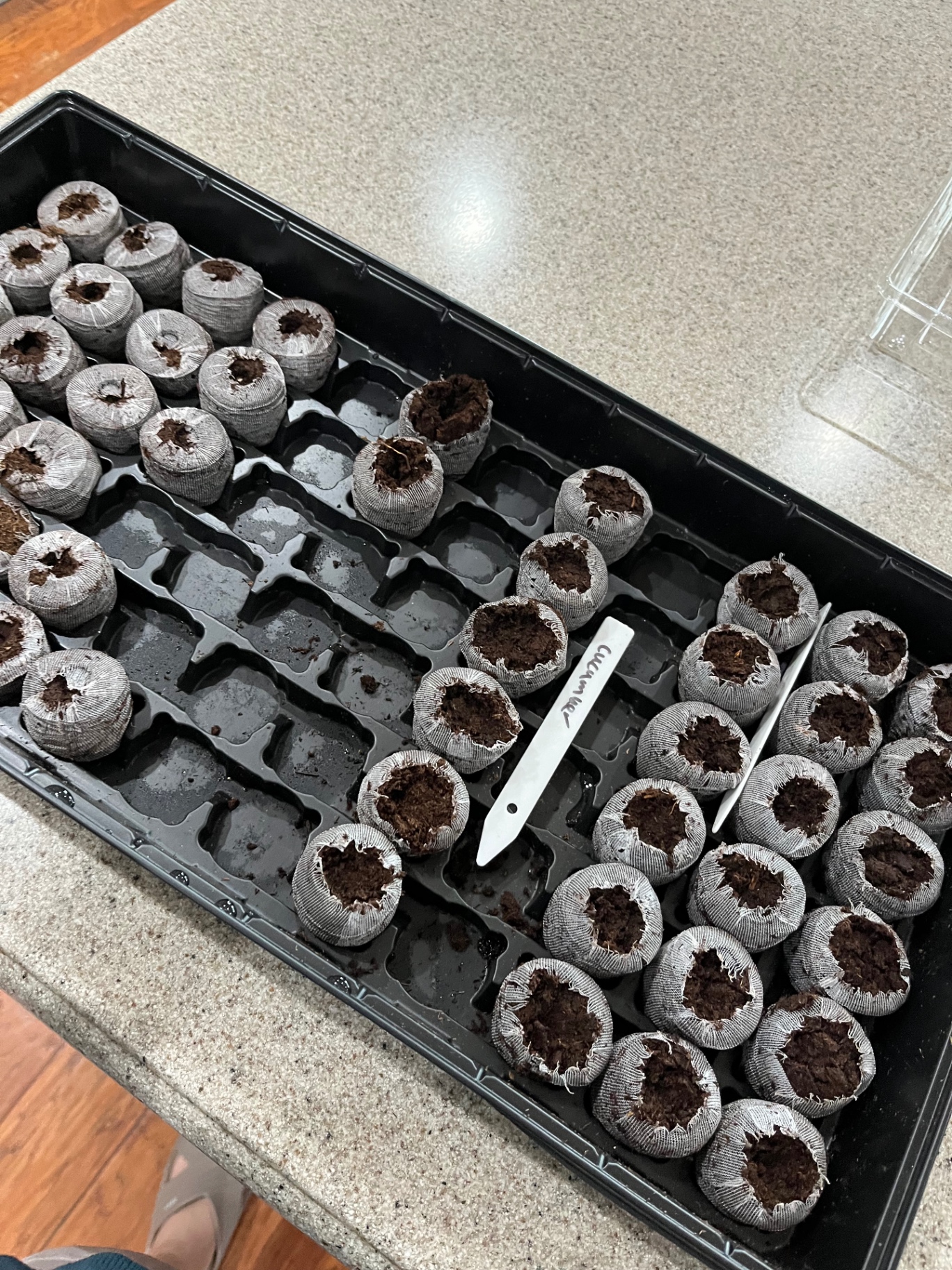
What We Start Indoors
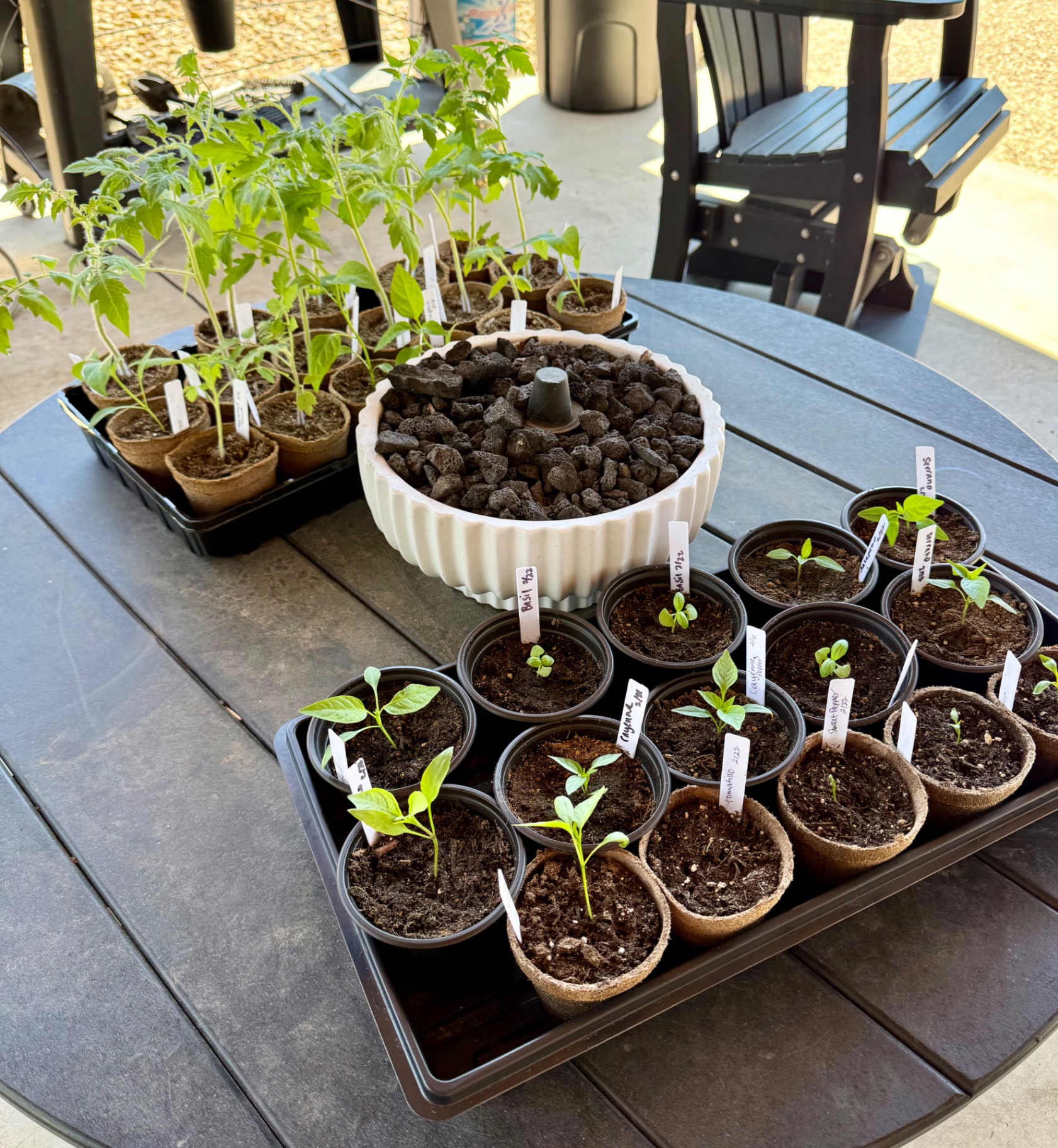
We don't start everything indoors. Tomatoes, peppers, and basil are some of the main crops we give an early start because they benefit from extra growing time before they go into the garden.
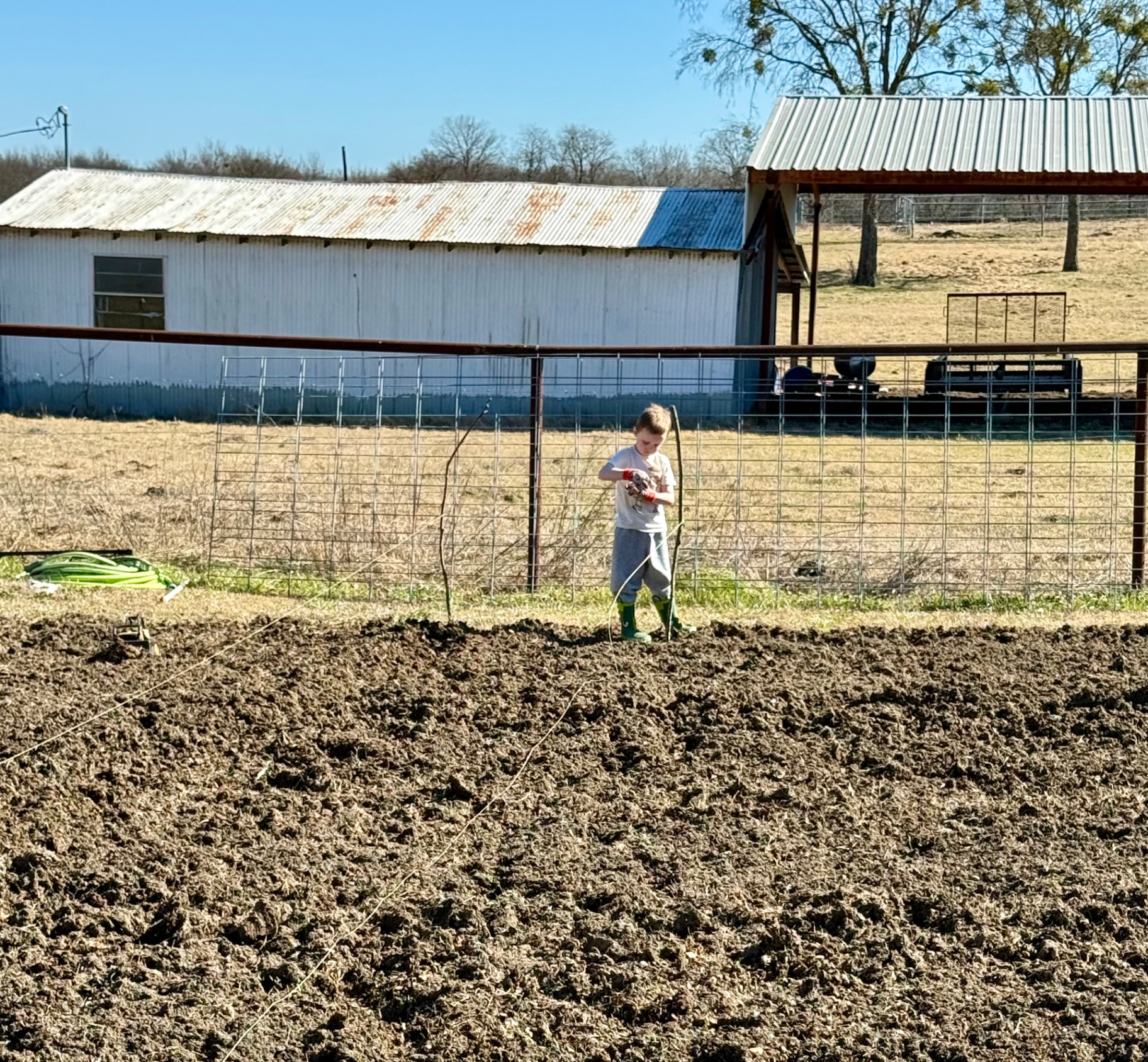
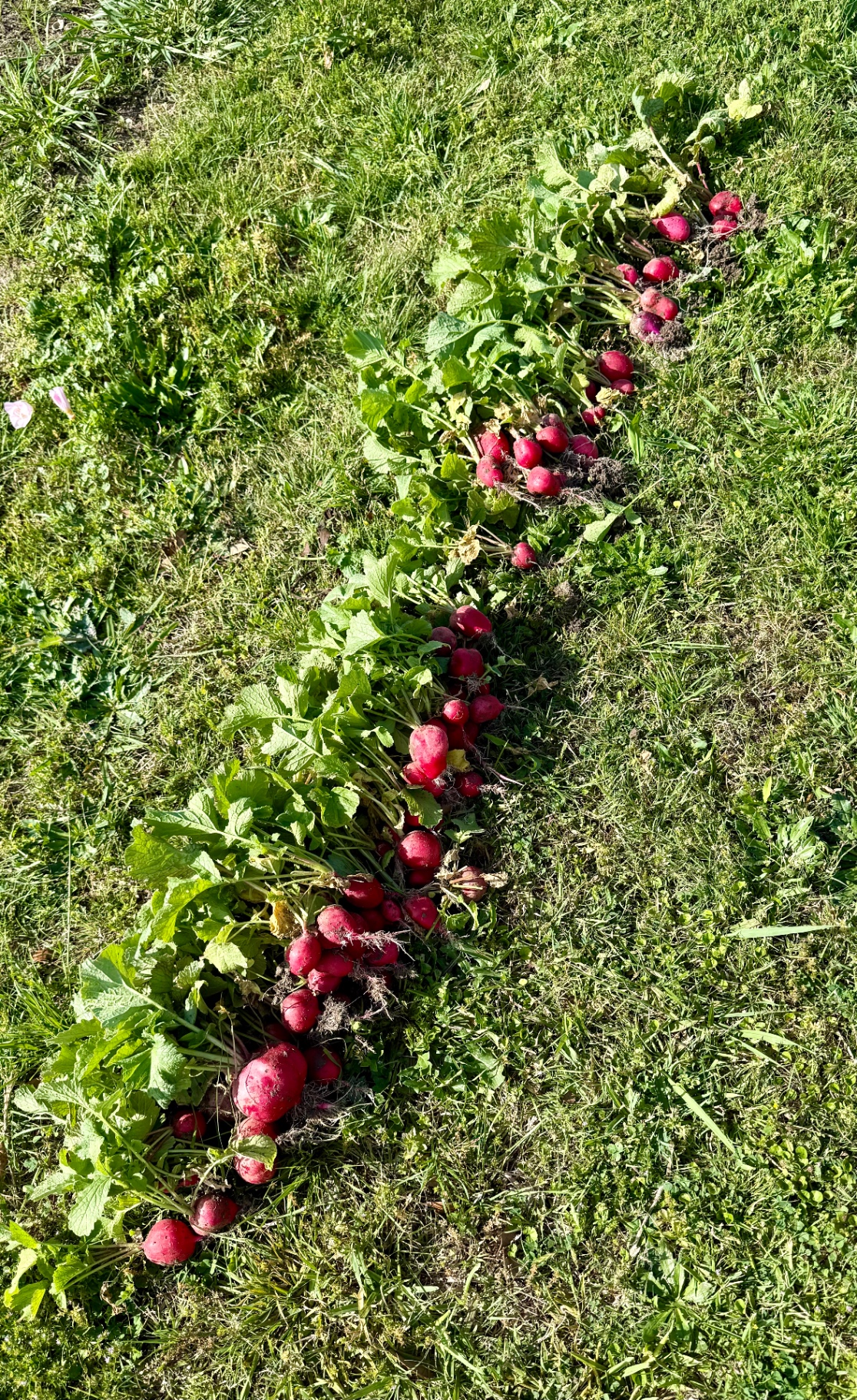
Many of our other crops are planted directly outside. Sweet corn, radishes, beets, onions, carrots, beans, squash, cucumbers, and plenty of our flowers go straight into the garden when the timing is right.
Learning what actually benefits from an indoor head start — and what is happier being planted directly outside — has made seed starting much simpler for us.
When We Start Seeds in North Texas
Here in North Texas, we usually start our warm-season seedlings several weeks before we expect it to be safe to plant them outside. Tomatoes and peppers generally get started in late January or early February so they have time to grow before spring planting.
The exact timing changes with the crop and the weather, and we pay more attention to conditions than to one date on the calendar.
If you garden somewhere else, use your own average last frost date as your starting point. Seed packets usually tell you how many weeks before or after that date a particular crop should be started.
Things We've Learned Along the Way
Starting too early can leave you with seedlings that are ready for the garden long before the weather is ready for them. Too much water causes problems quickly too — damp is good, soggy isn't.
Light matters more than we realized when we first started. Without enough of it, seedlings stretch toward the light and become thin and weak. A little airflow helps strengthen them as they grow.
And we've learned not to let one warm week rush us. Spring weather can change quickly here, so we watch the forecast and give the plants time rather than assuming winter is finished.
Hardening Off
Seedlings that have been growing under lights indoors need about a week to get used to outdoor sun, wind, and temperatures before they're planted in the garden.
We start by carrying the trays outside for an hour in the morning shade, then bringing them back in. Each day they spend a little longer outside and get a little more direct sun.
By the end of the week they can handle a full day outdoors, and that gradual introduction makes transplanting much easier on them.
Into the Garden
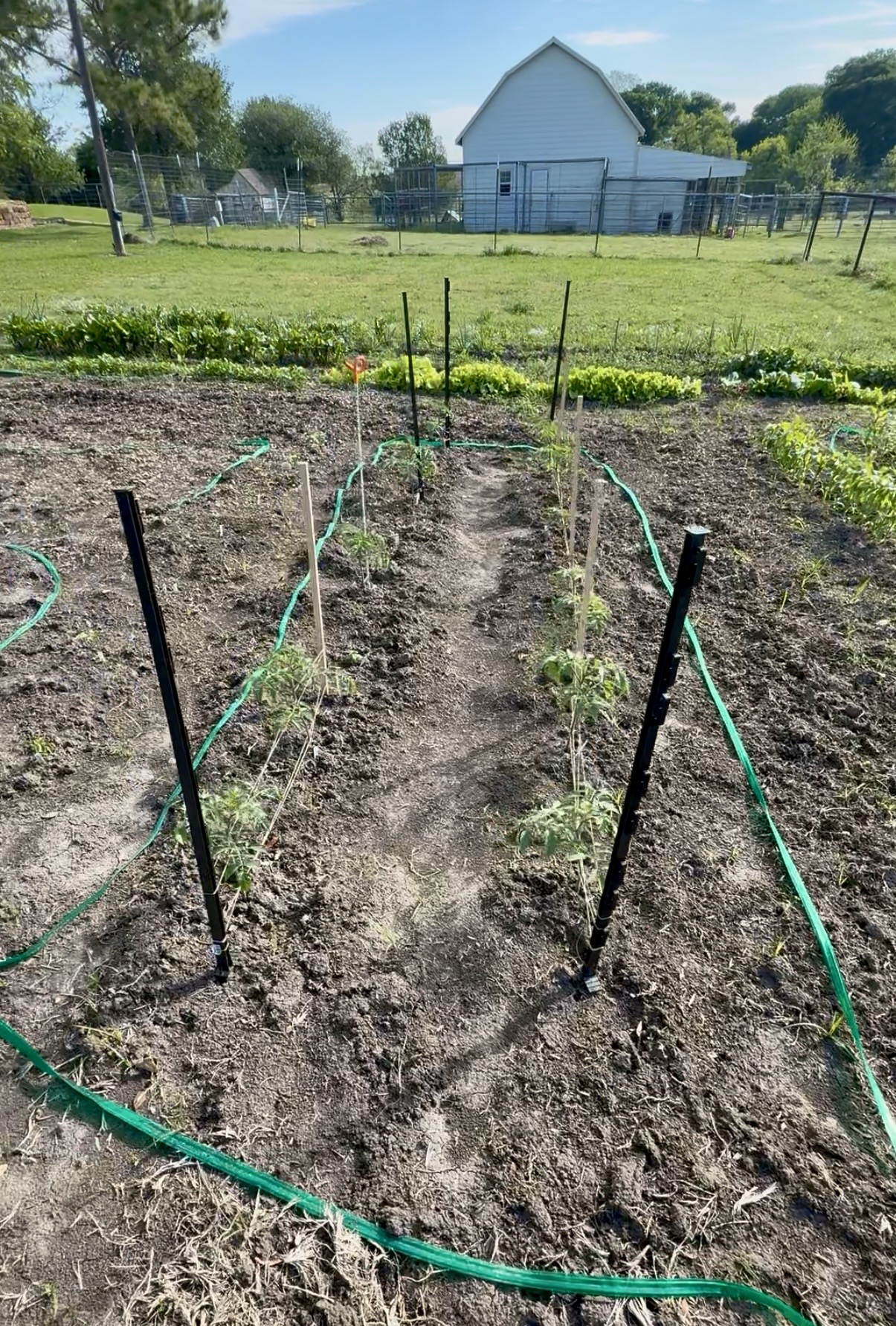
Once the seedlings are hardened off and the weather is cooperating, they're ready for the garden. We transplant them into our in-ground rows, water them well, and keep a closer eye on them for the first few days while they settle in.
This is the part that makes all those trays in the kitchen worth it — seeing plants we started from seed finally growing in the garden.
Final Thoughts
Gardening doesn't have to be perfect to be rewarding. Start with a few seeds, learn what works in your space, and expect to adjust things along the way. Every growing season teaches us something new.
That's really how our garden has evolved — not through one perfect system, but by keeping what works, changing what doesn't, and trying again the next spring. Seed starting is just the beginning.