Sheep
What We’ve Learned Raising Dorper Sheep
We chose Dorper sheep because they seemed practical for our climate and manageable for a family learning livestock. They’ve been both — but they’ve also taught us that sheep aren’t quite as hands-off as their reputation can make them sound. They’re quiet animals, but they tell you a lot if you learn to pay attention. Raising them has taught us as much about watching, adjusting, and showing up as it has about sheep.
Why We Chose Dorpers
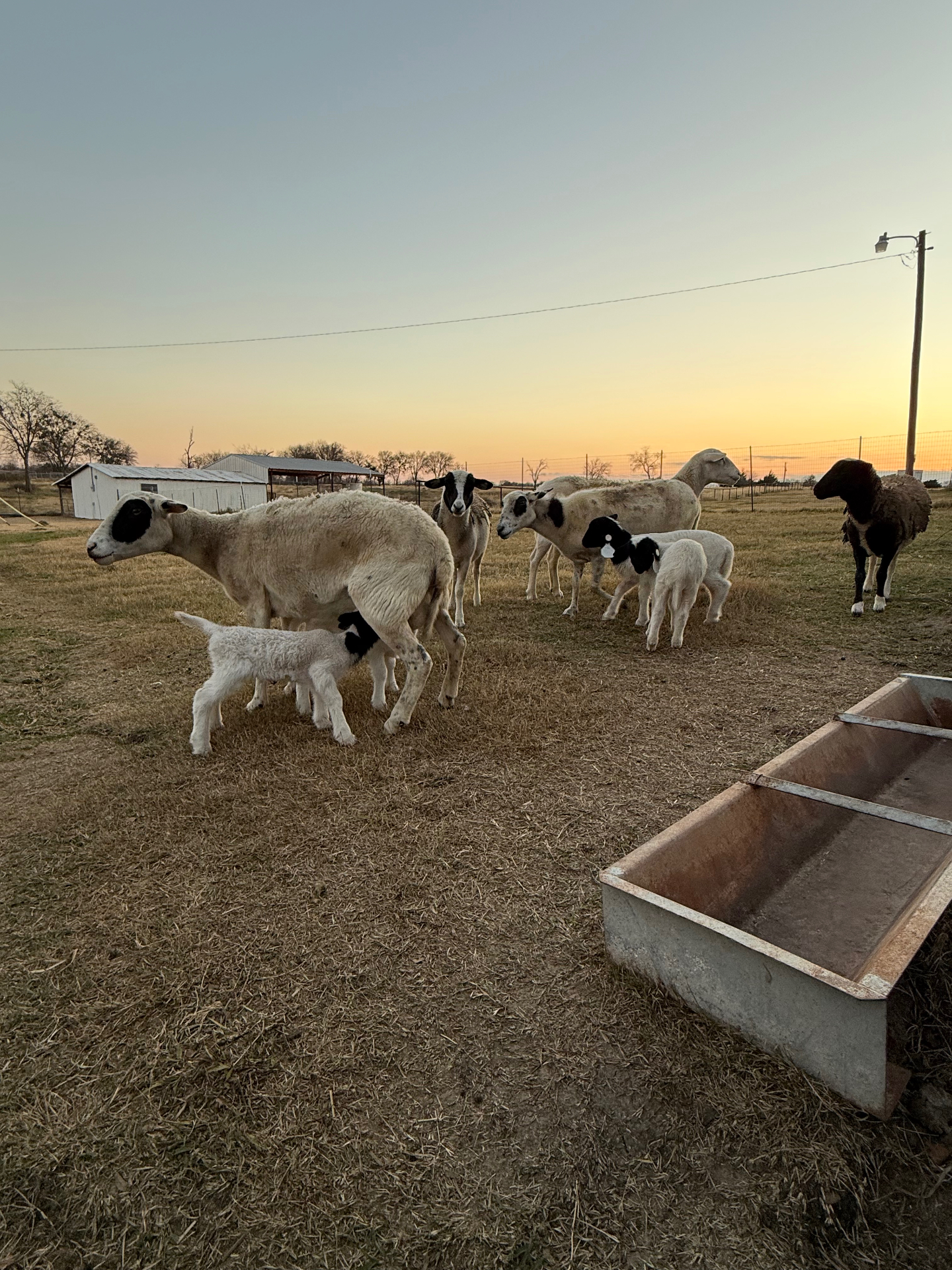
Dorpers are hair sheep. They shed instead of needing to be sheared, which was a big part of the appeal for us in North Texas, where heat and practical upkeep both matter.
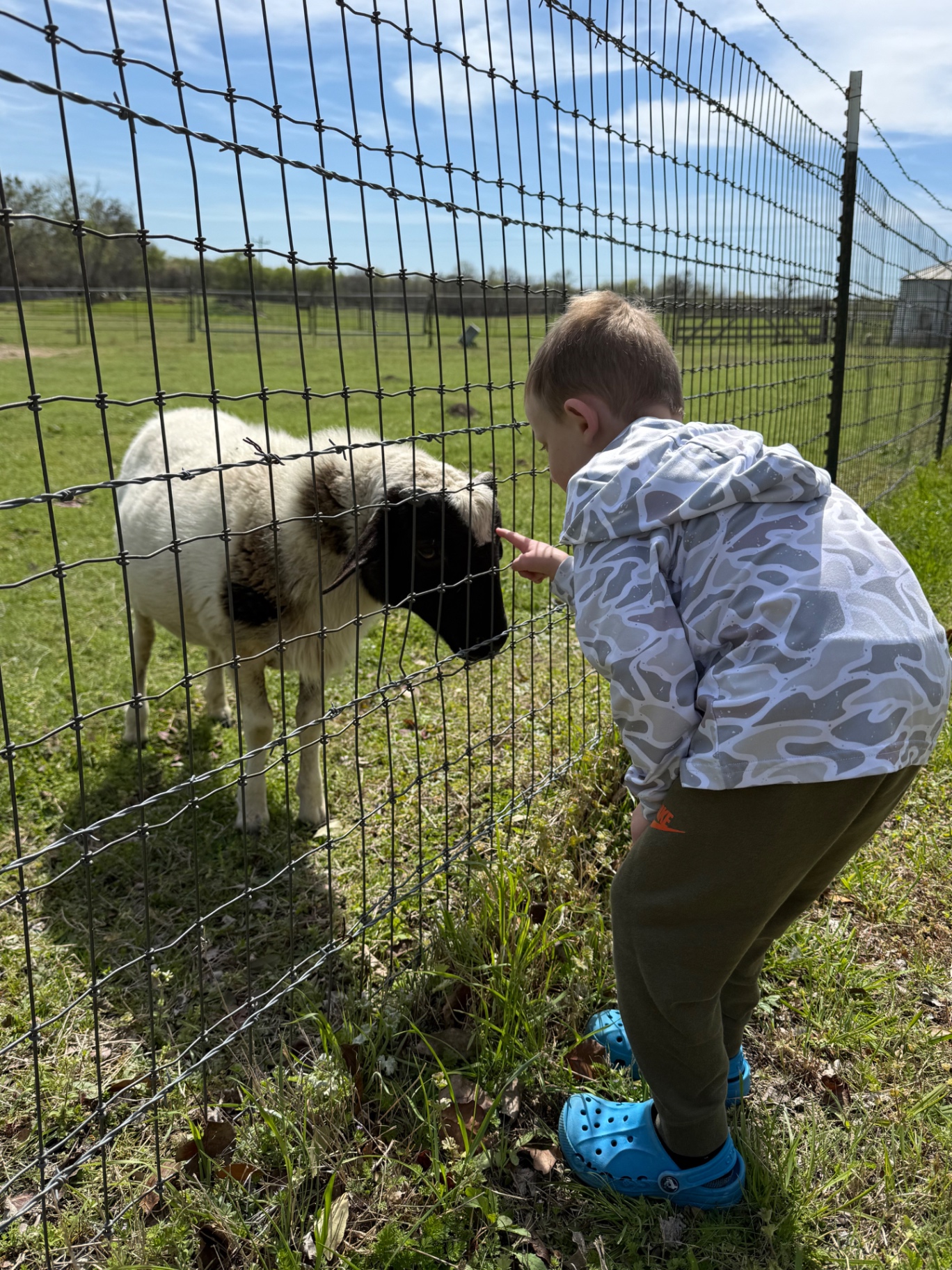
They’re a manageable size, generally calm to be around, and so far they’ve been good mothers. They’ve also been an easy flock for our kids to be around when they want to help.
What Daily Care Really Looks Like
Our basics are simple: secure fencing, clean water, pasture and hay, and a loose mineral made specifically for sheep. Sheep are sensitive to copper, so we don’t assume an all-stock mineral is safe for them.
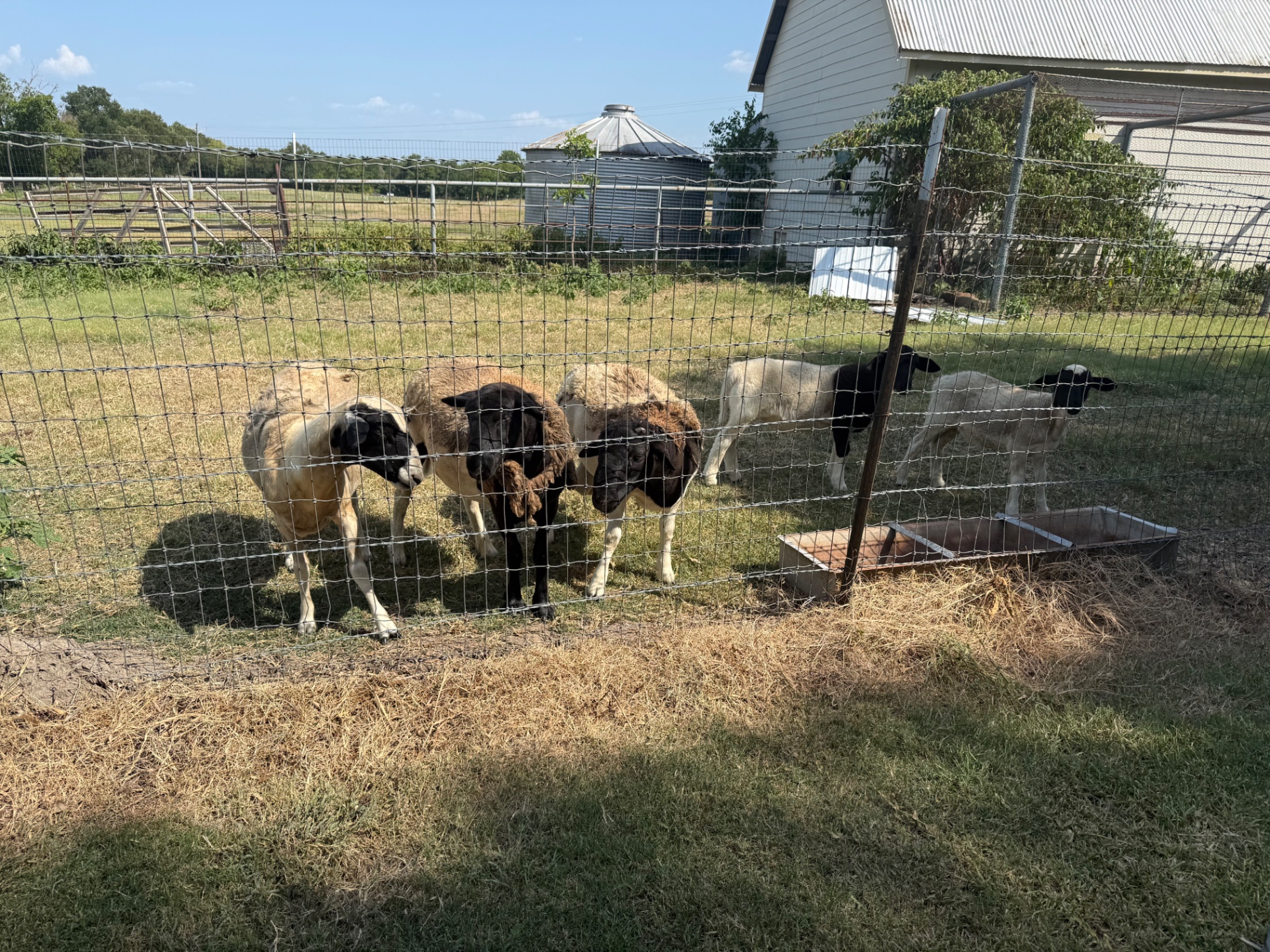
Most days the real work is looking — checking water, glancing over body condition, and noticing how the flock is acting. Sheep are also remarkably good at finding the one weak spot in a fence, usually before we do.
Lambing Changes the Rhythm
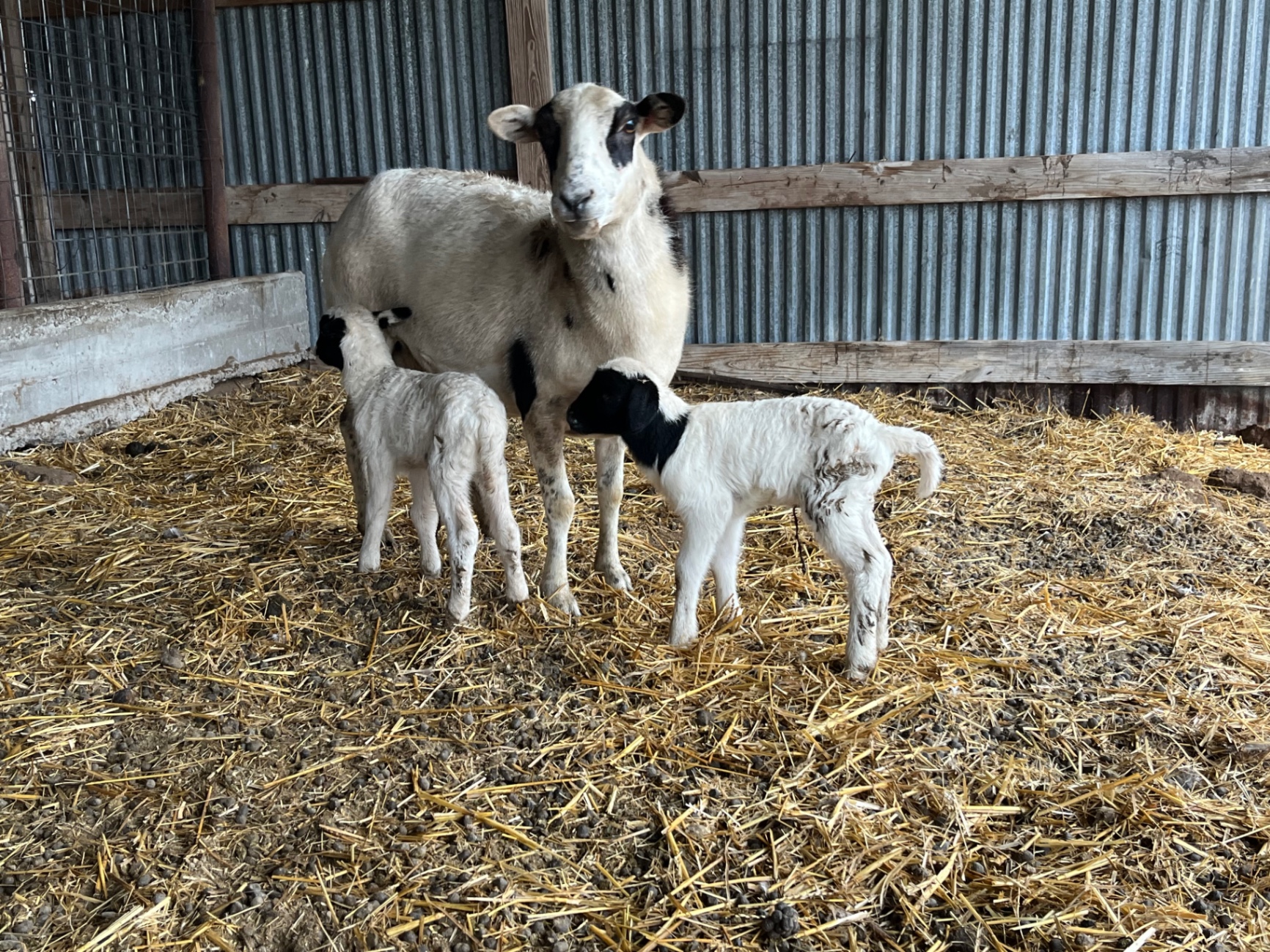
Lambing is one of the sweetest parts of raising sheep, and it’s also when we watch the flock closest. Most of our ewes know exactly what to do without any help from us.
But sometimes a lamb needs a hand — warming up, getting started nursing, or a quiet place to settle with its mother for a day. Those are the nights we end up checking more than we planned to.
Sometimes the Plan Changes
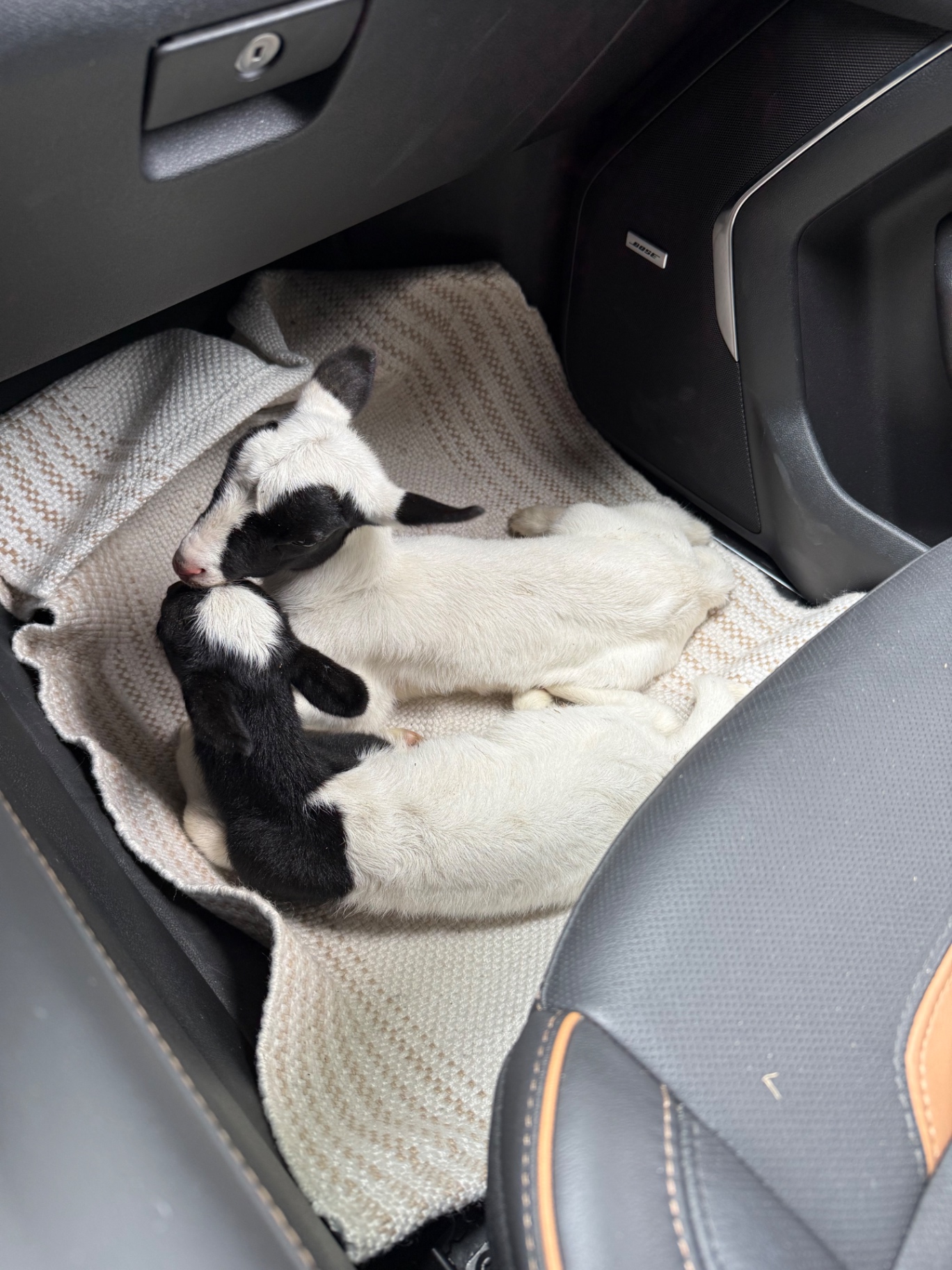
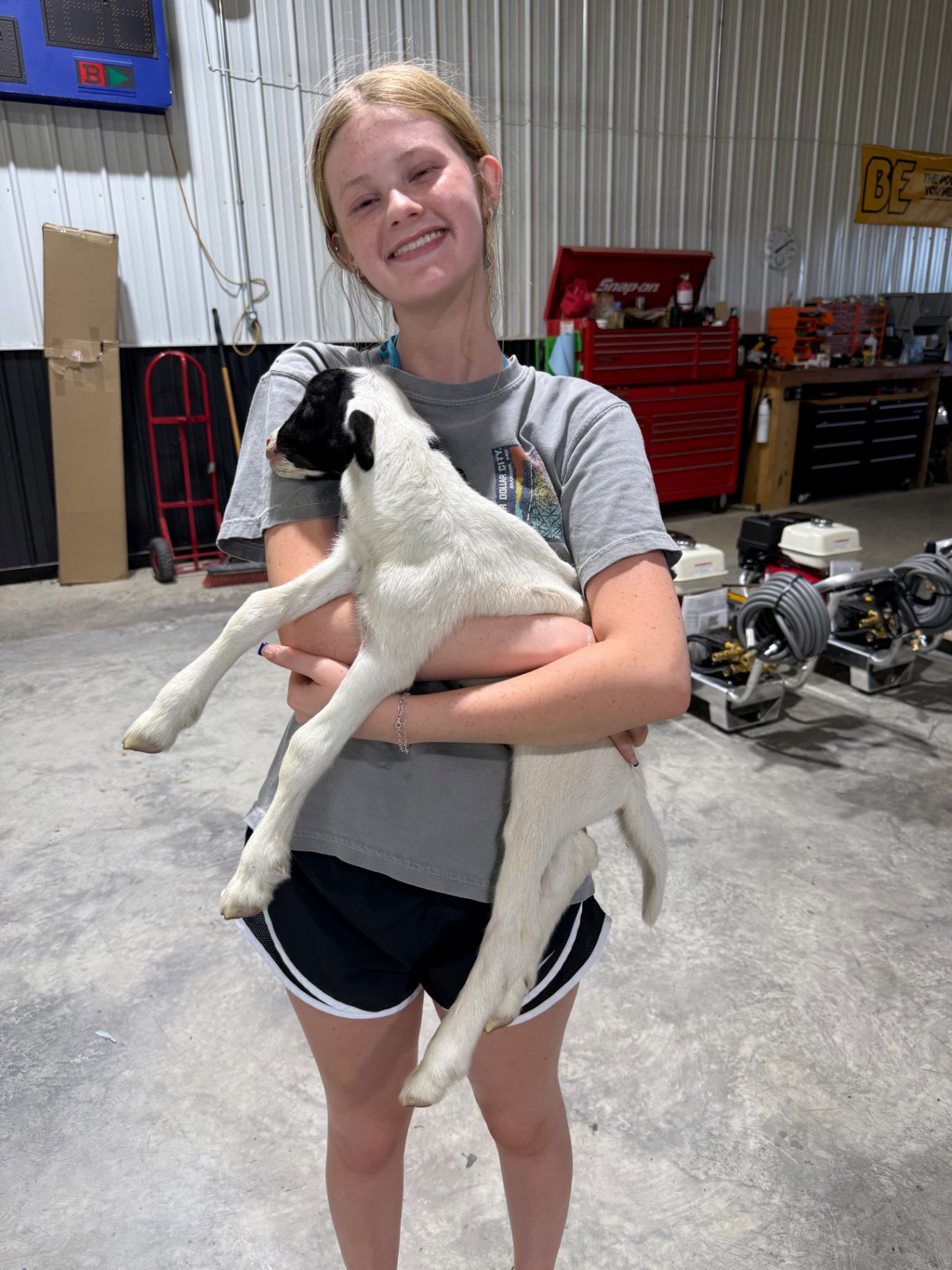
Livestock has a way of turning an ordinary day into a problem-solving day. We’ve brought lambs inside, warmed them up, made quiet places for them to rest, and carried them wherever they needed to go.
You can prepare well and still have to respond to the animal standing in front of you. That flexibility has been one of the biggest things sheep have taught us.
What Sheep Have Taught Us
Mostly they’ve taught us to pay attention. We watch body condition, appetite, and behavior, because small changes can show up before anything obvious does. Parasite pressure is one reason that matters, especially in warm weather, and it’s the kind of thing we’d rather catch early.
That same habit has rubbed off on the kids. The best lessons haven’t come from giving them a speech about responsibility — they’ve come from a lamb needing help and everyone stepping in.
What We Know Now
If we were starting again, we’d begin with fewer sheep than we thought we needed, and we’d have the fencing finished and the water figured out before the first one showed up. Shelter and a livestock veterinarian you can actually reach are worth arranging early too.
Mostly, we’d spend time around them. Sheep communicate quietly, and you can’t recognize a problem until you know what an ordinary day looks like.
Worth the Work
Sheep have given us lambing nights, fence repairs, hard decisions, and some of the gentlest moments on the ranch.
We’re still learning, and I think that’s part of keeping animals well. You show up, pay attention, adjust when you need to, and do the next needed thing. For our family, they’ve been worth the work.