Chickens
Fresh Eggs & Keeping Our Flock Going
The eggs are the part everyone waits for, and they're still the part we enjoy most. Here's what collecting them is actually like, and how we keep the flock going as the years go by.
The Part Everyone Waits For
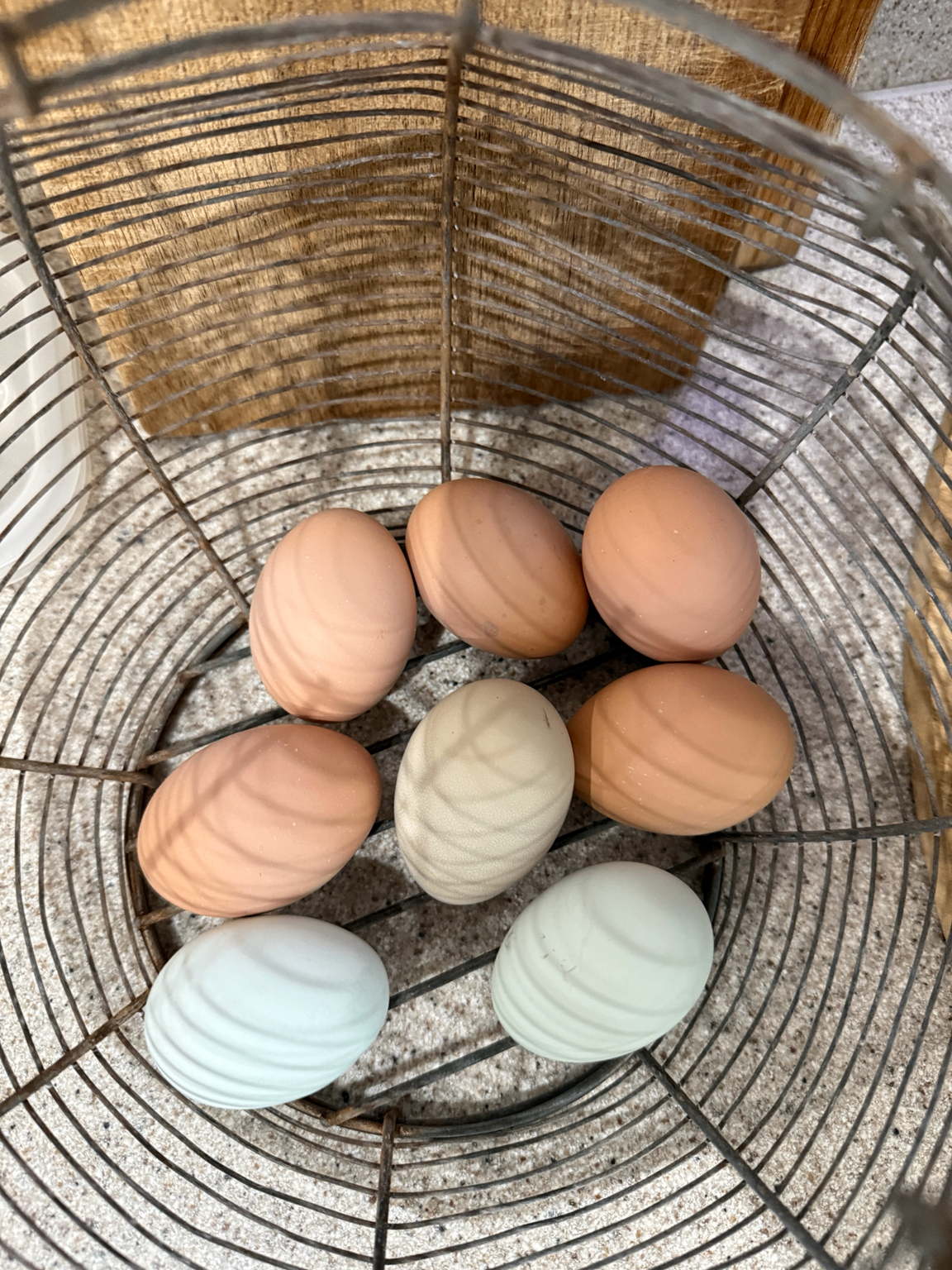
There's still something exciting about finding fresh eggs in the nesting box. Even after it becomes part of the daily routine, collecting eggs is one of those simple things that never completely loses its charm.
Some days there are only a few waiting for us, and other days the nesting boxes seem to be full. We never really get tired of seeing what colors and sizes we’ll find.
Colors, Sizes & First Eggs
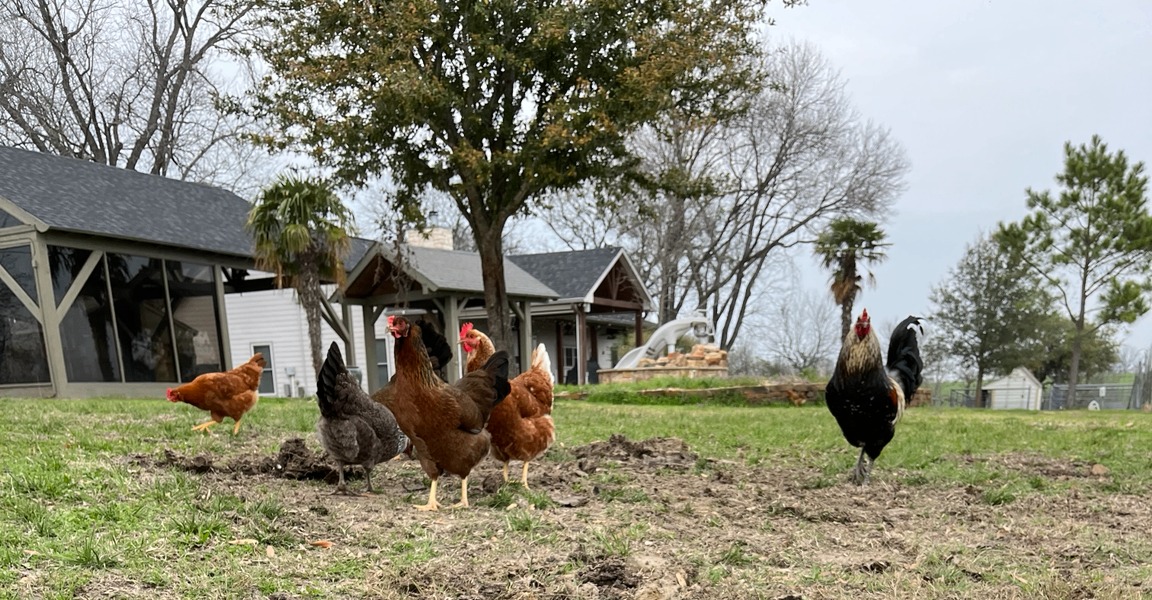
A mixed flock gives us different shades and sizes, so no two collections look quite the same.
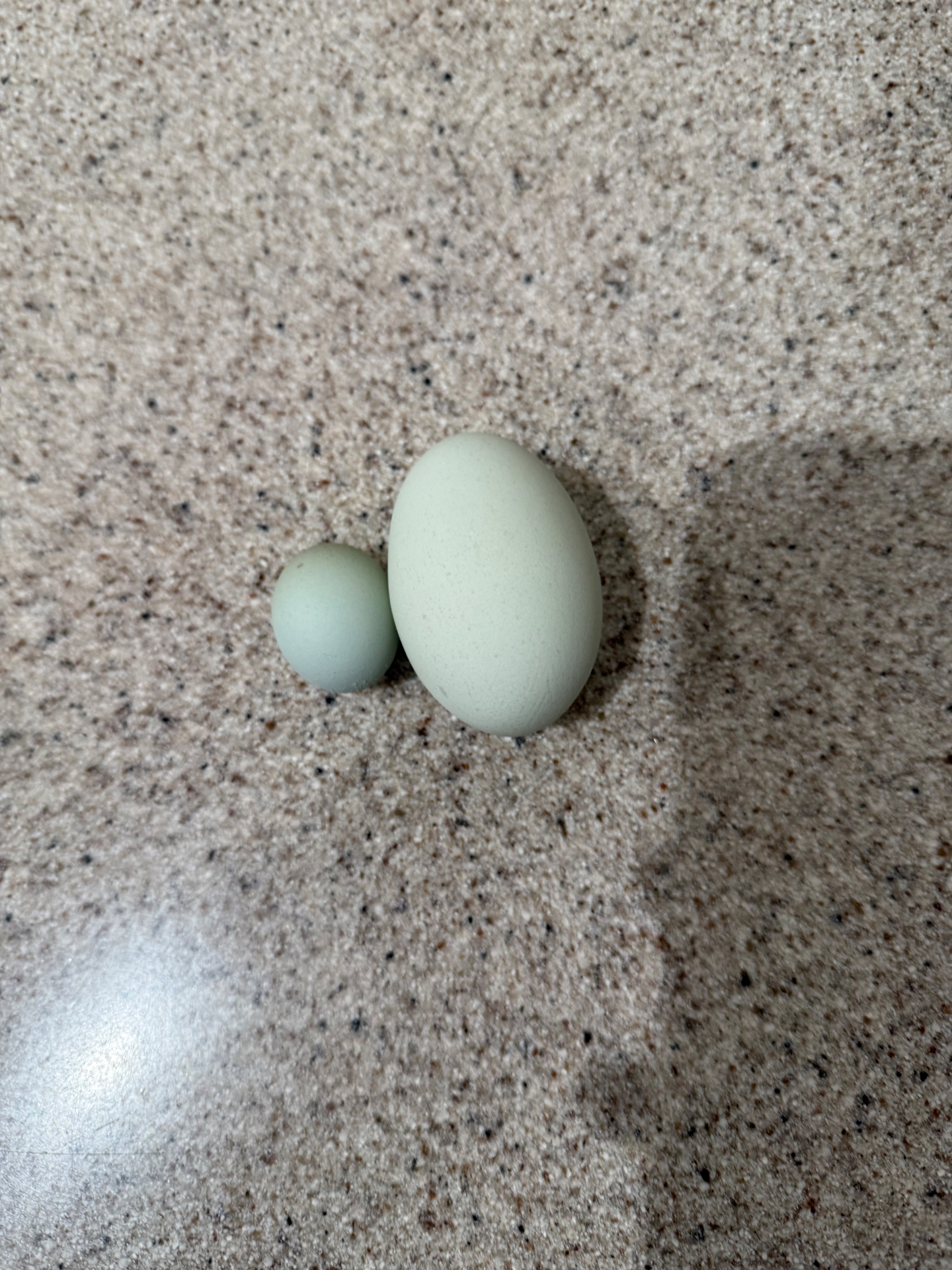
One of the funniest surprises with young hens is the first tiny egg. We’ve had eggs so small that putting one beside a regular egg hardly looks real. They usually don’t stay that size for long, which makes those first little eggs worth remembering.
Egg production isn’t perfectly steady either. Age, breed, daylight, molting, summer heat, stress, and changes around the flock can all affect how many eggs show up in the nesting box. We’ve learned not to panic over every slow stretch and instead pay attention to what else may be going on.
Keeping Our Flock Going
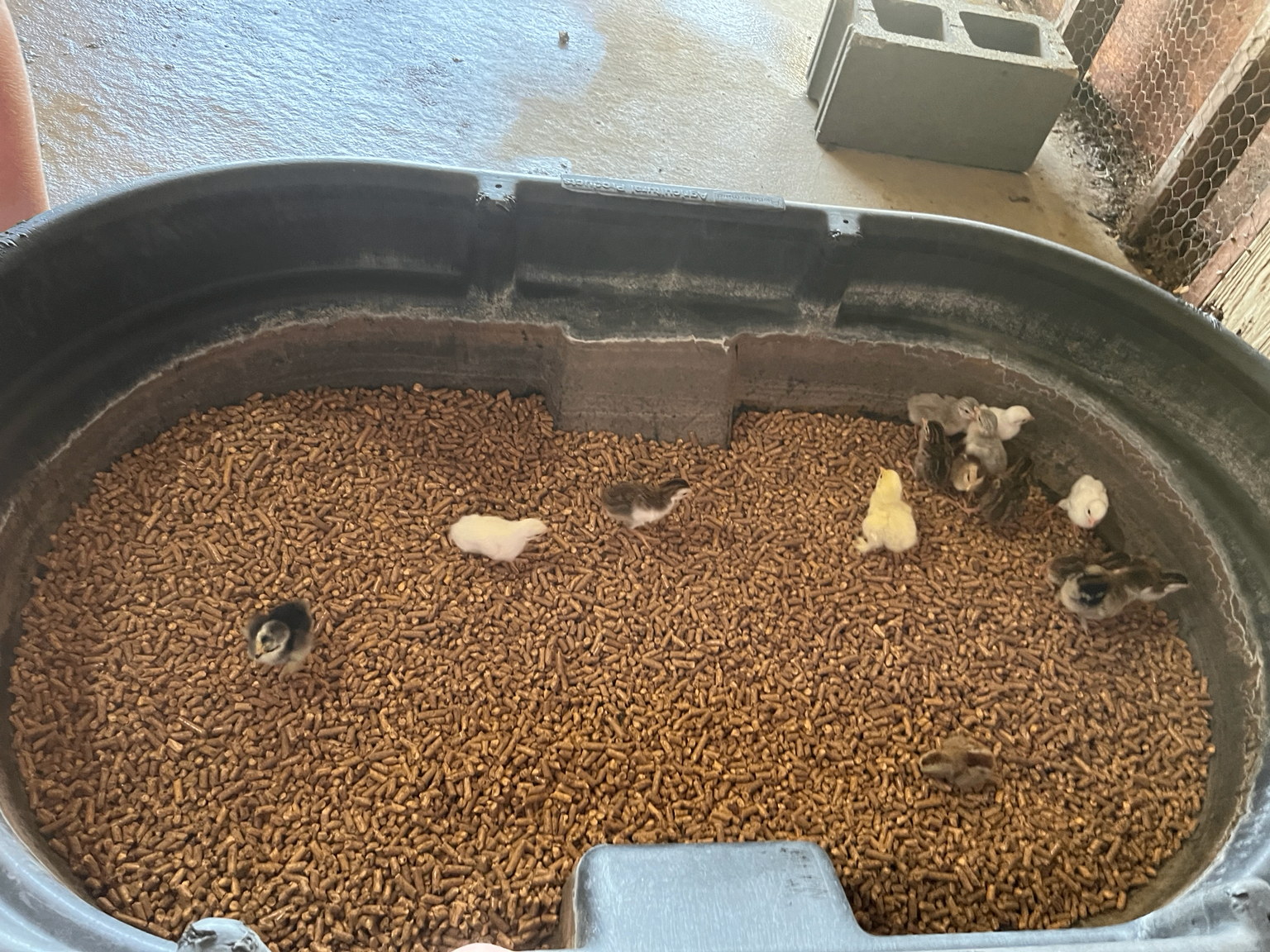
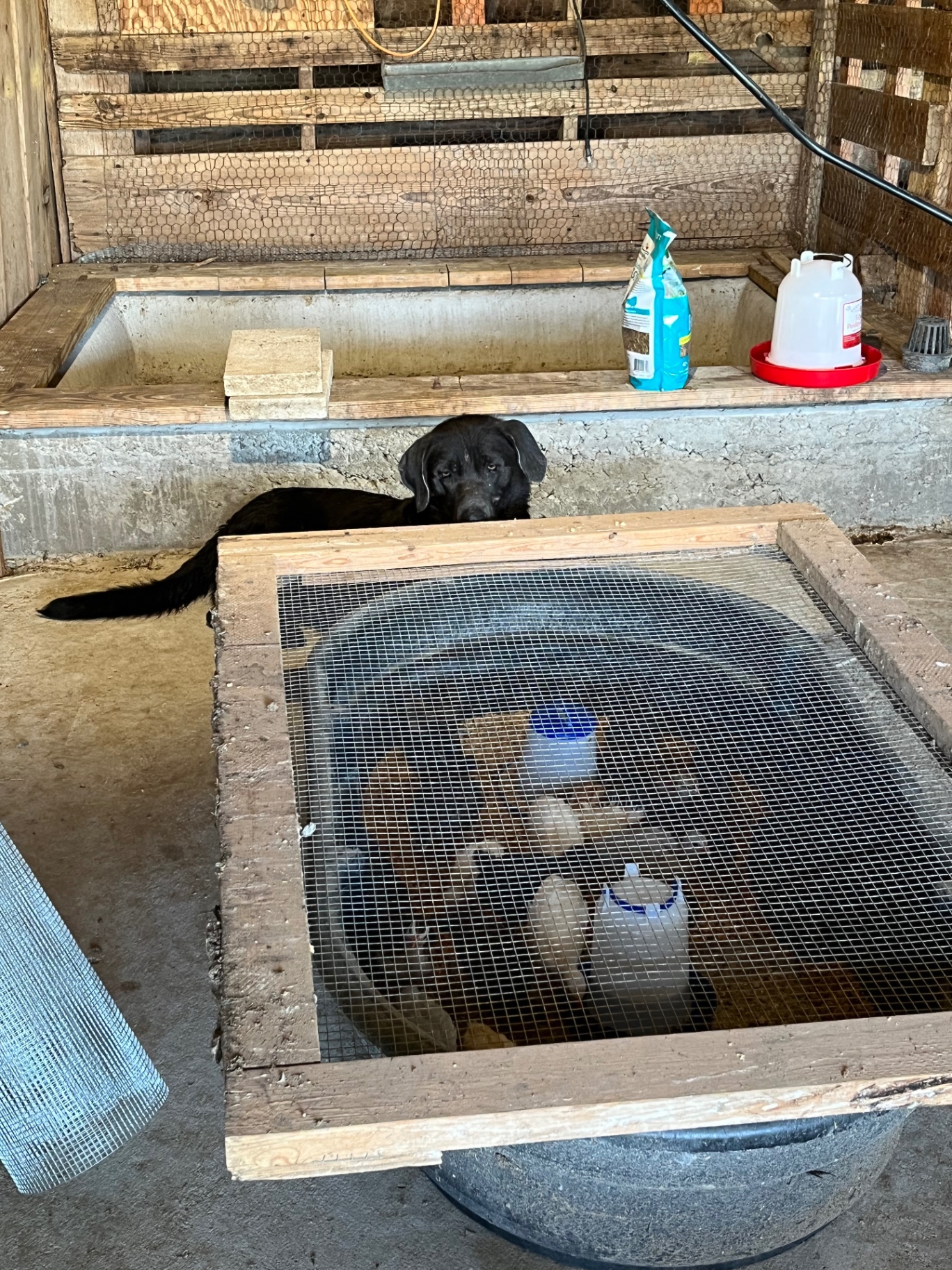
Each year we try to bring home a handful of new baby chicks. We like having different ages in the flock, and adding a few younger birds along the way helps the flock renew naturally as older hens begin to slow down.
So far, we’ve always started with chicks rather than hatching our own. Every chicken here came home small enough to fit in our hands and eventually worked its way into the older flock. We may try hatching someday, but buying a few chicks each year has been the simplest approach for us.
Having different ages also means the flock is always changing. New personalities show up, young hens begin laying their first eggs, and older birds settle into their routines. That ongoing cycle has become one of our favorite parts of keeping chickens.