Easy Family Recipes
Snickerdoodles
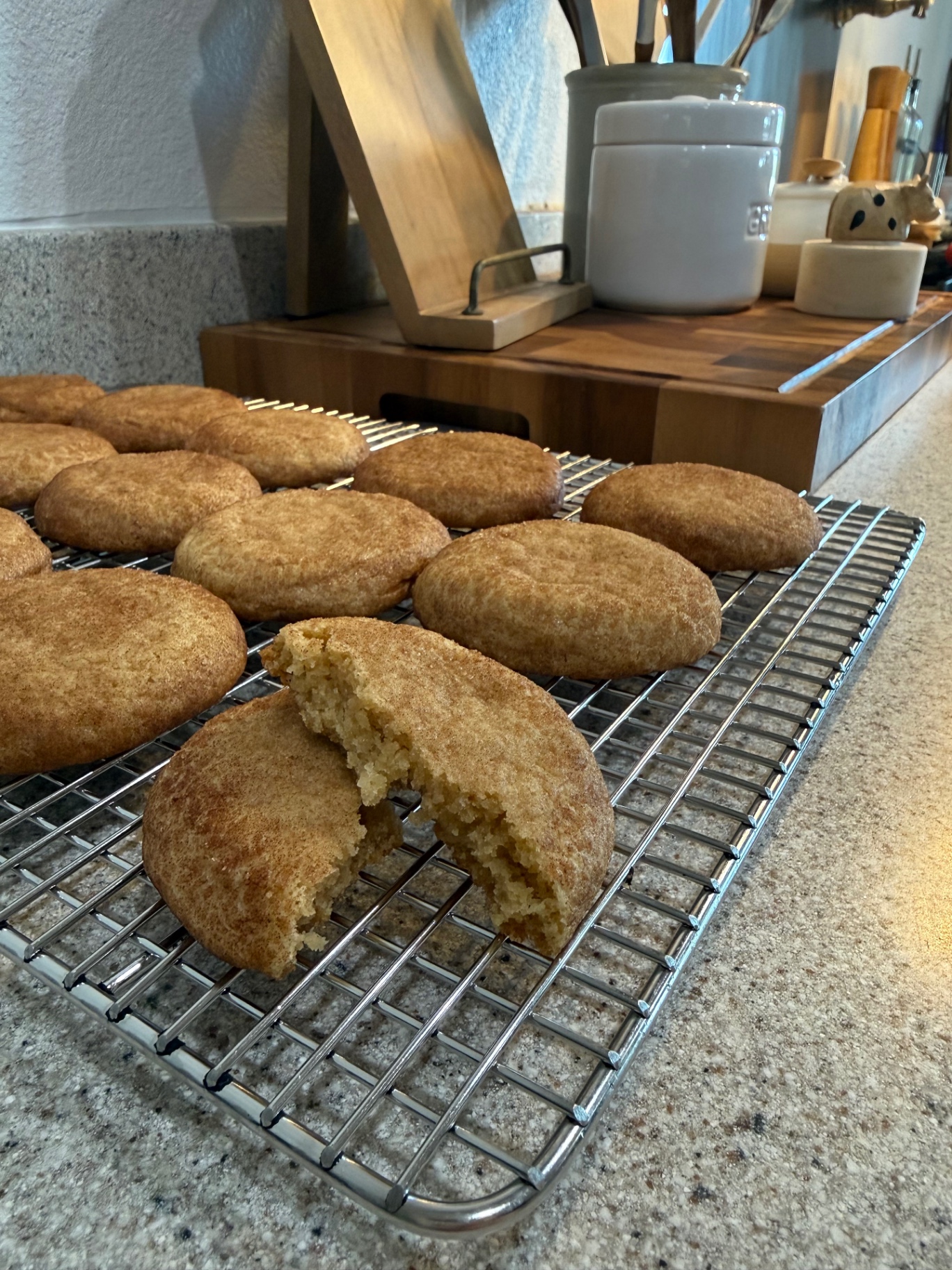
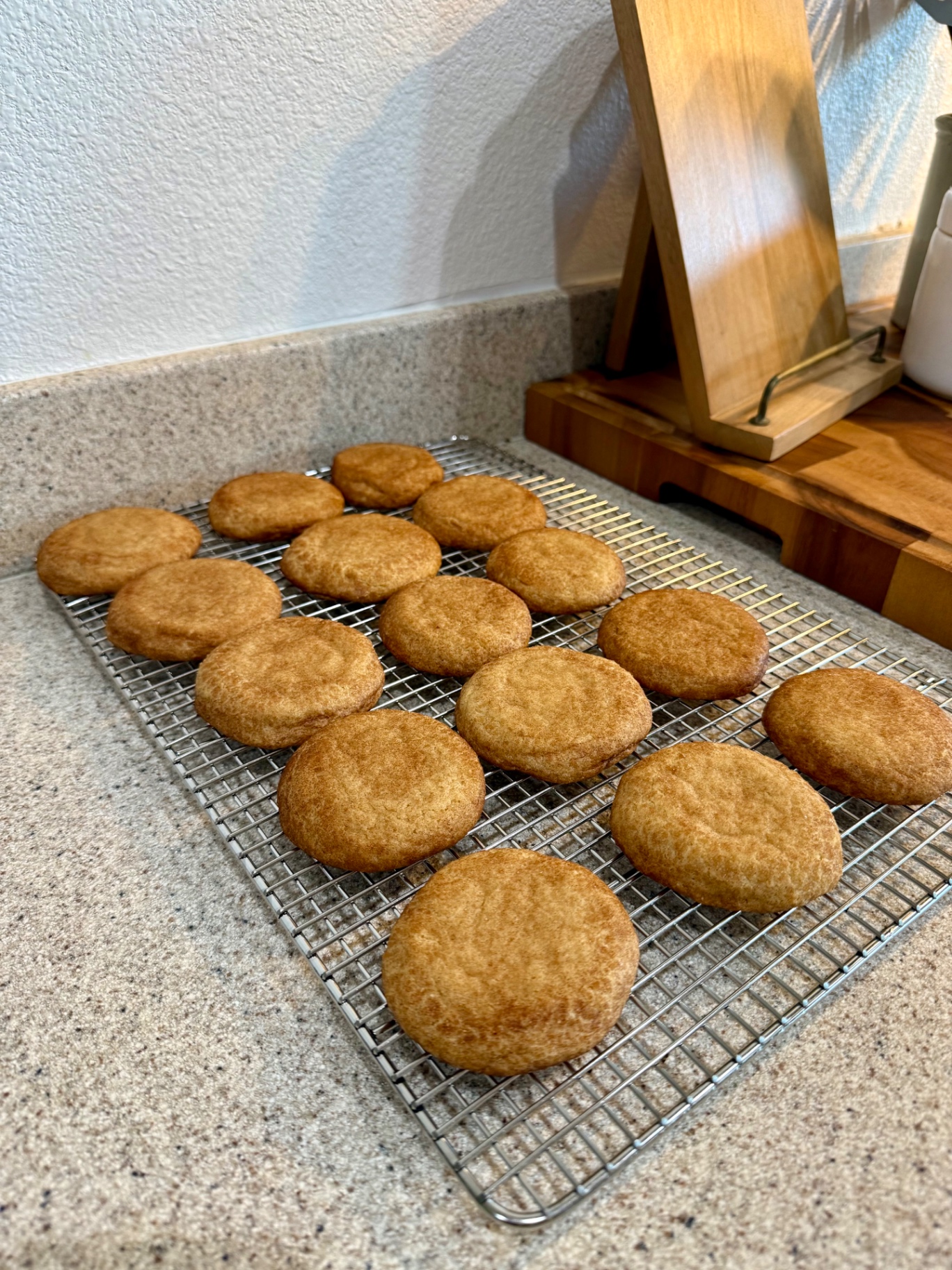
These snickerdoodles are exactly the texture I was trying to get: lightly crisp cinnamon-sugar edges with soft, chewy centers. The dough gets a short refrigerator rest before shaping, then the rolled cookies go into the freezer for just 10 minutes before baking. That little bit of chilling helps control the spread without turning them into overly thick cookies. I also gently flatten the dough balls before they go into the oven. They still keep some height, but they spread enough to get those lightly crisp edges while the centers stay soft. This recipe makes 18 cookies.
Why This Snickerdoodle Method Works
Granulated sugar helps create lightly crisp edges, while a small amount of brown sugar adds moisture and chewiness. Cream of tartar gives snickerdoodles their traditional tang and tender texture. Refrigerating the dough briefly makes it easier to scoop and roll, and a short freezer rest helps control spreading. Gently flattening the dough before baking lets the cookies spread without becoming too thin. Pulling them while the centers still look slightly soft is important for the final chewy texture.
Snickerdoodle Ingredients
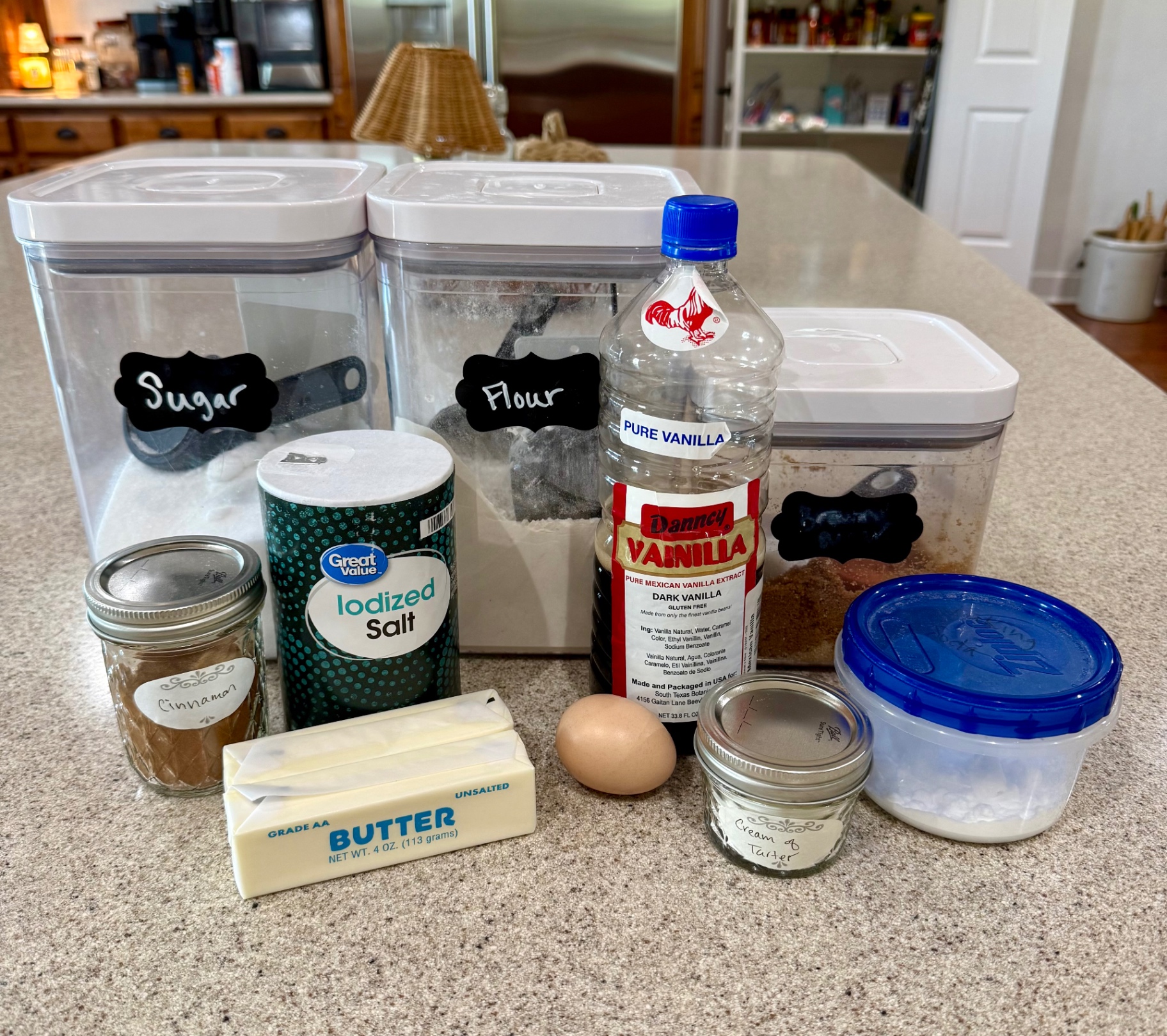
How to Make Snickerdoodles
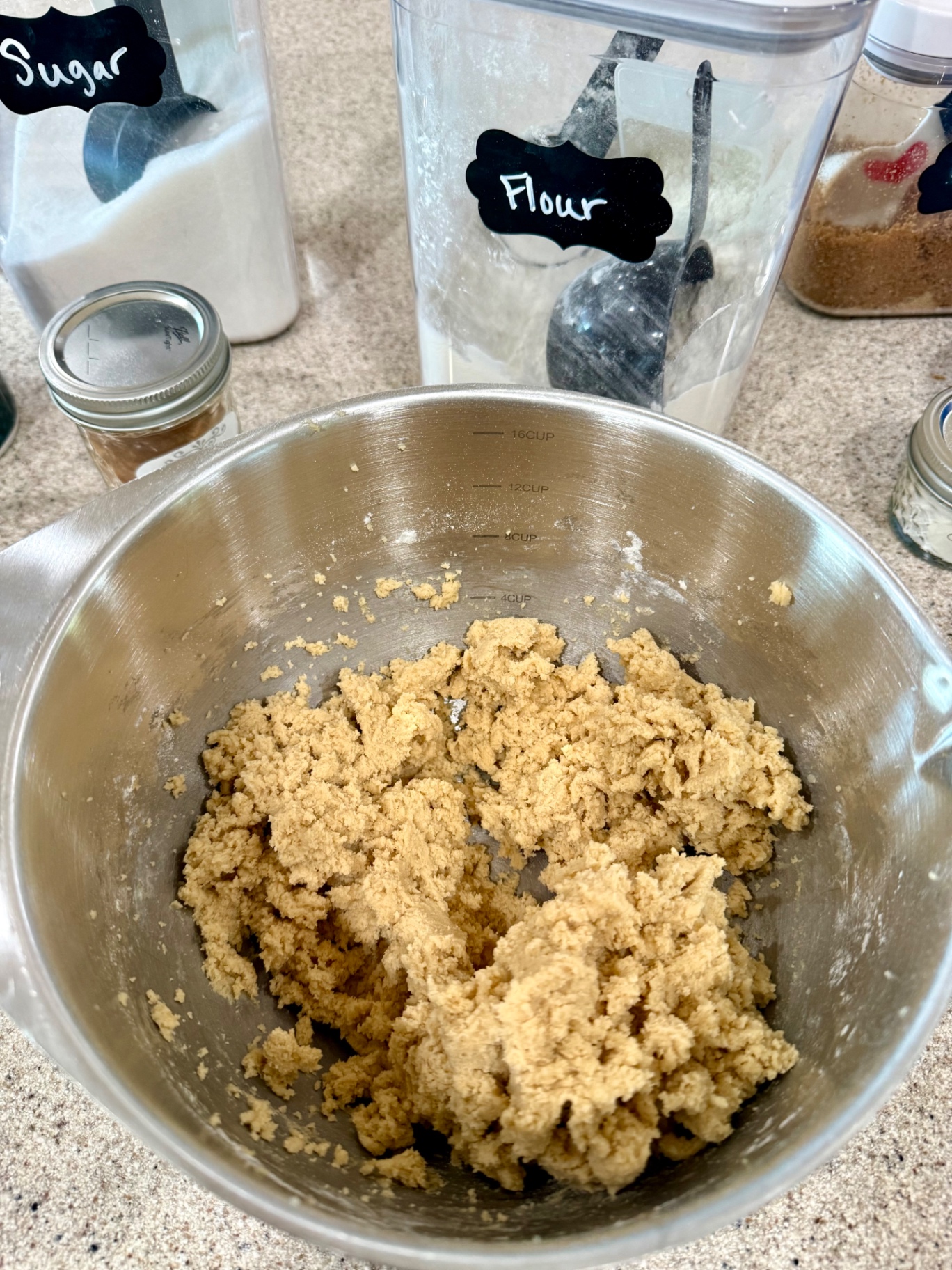
Beat the softened butter, granulated sugar, and brown sugar together for about 2 minutes, until creamy and slightly fluffy. Beat in the egg and vanilla until fully combined, scraping down the bowl as needed. In a separate bowl, whisk together the flour, cream of tartar, baking soda, and salt, then gradually add the dry ingredients to the butter mixture and mix on low just until combined. Avoid overmixing.
The Short Chill Matters
The dough gets two short chilling periods rather than one long chill. First, cover and refrigerate the dough for 10 minutes — this makes the soft dough easier to scoop and shape. After the cookies are coated in cinnamon sugar, freezing them for another 10 minutes helps firm the butter and control the spread in the oven.
Scoop, Roll, and Coat
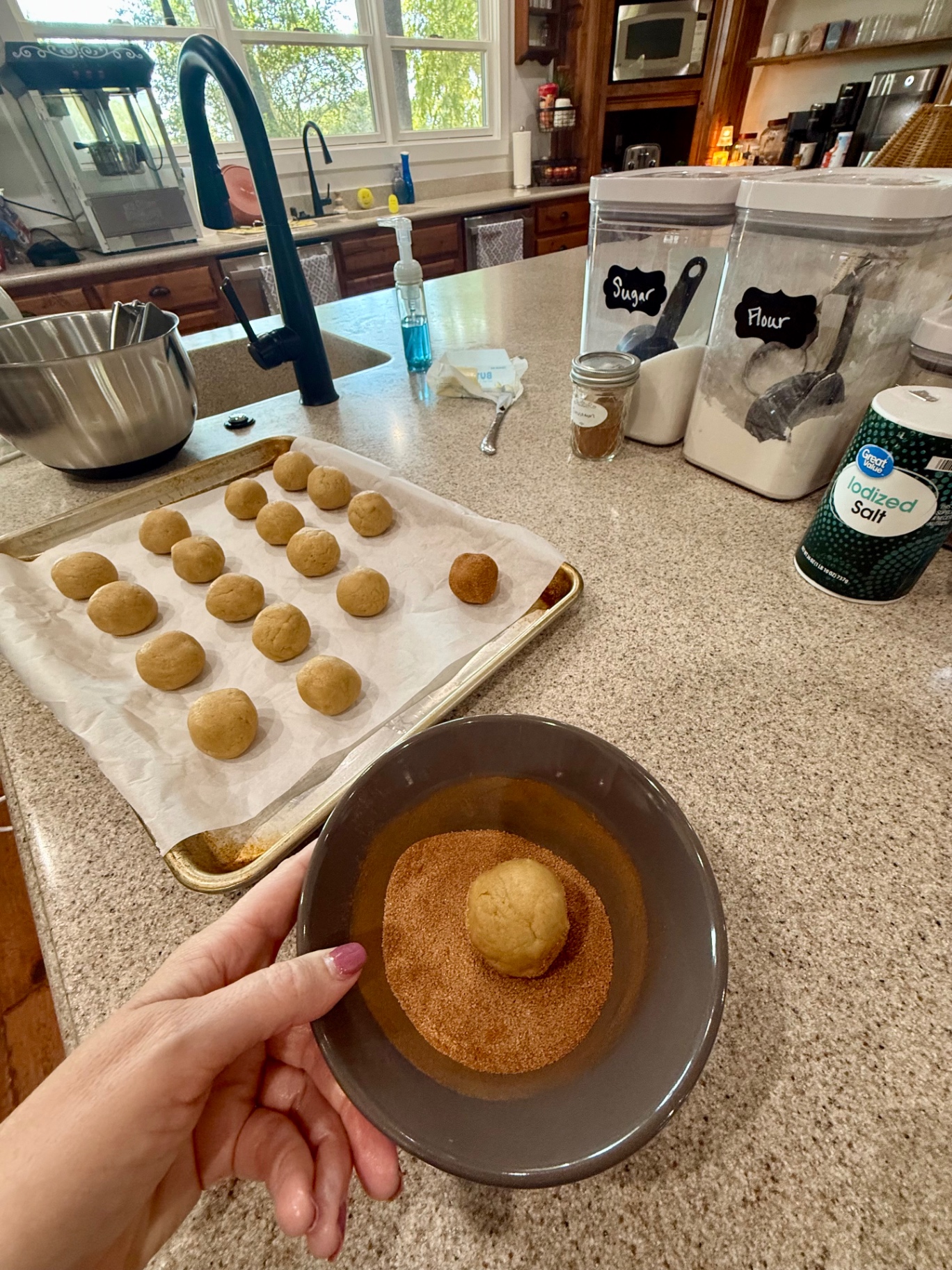
Using a medium cookie scoop, portion the dough into 18 evenly sized balls. Use level scoops and roll each portion by hand until smooth. Mix the granulated sugar and cinnamon in a shallow bowl and roll each dough ball generously until completely coated. Arrange the coated dough balls on a parchment-lined baking sheet and freeze for 10 minutes.
Why I Flatten the Dough Before Baking
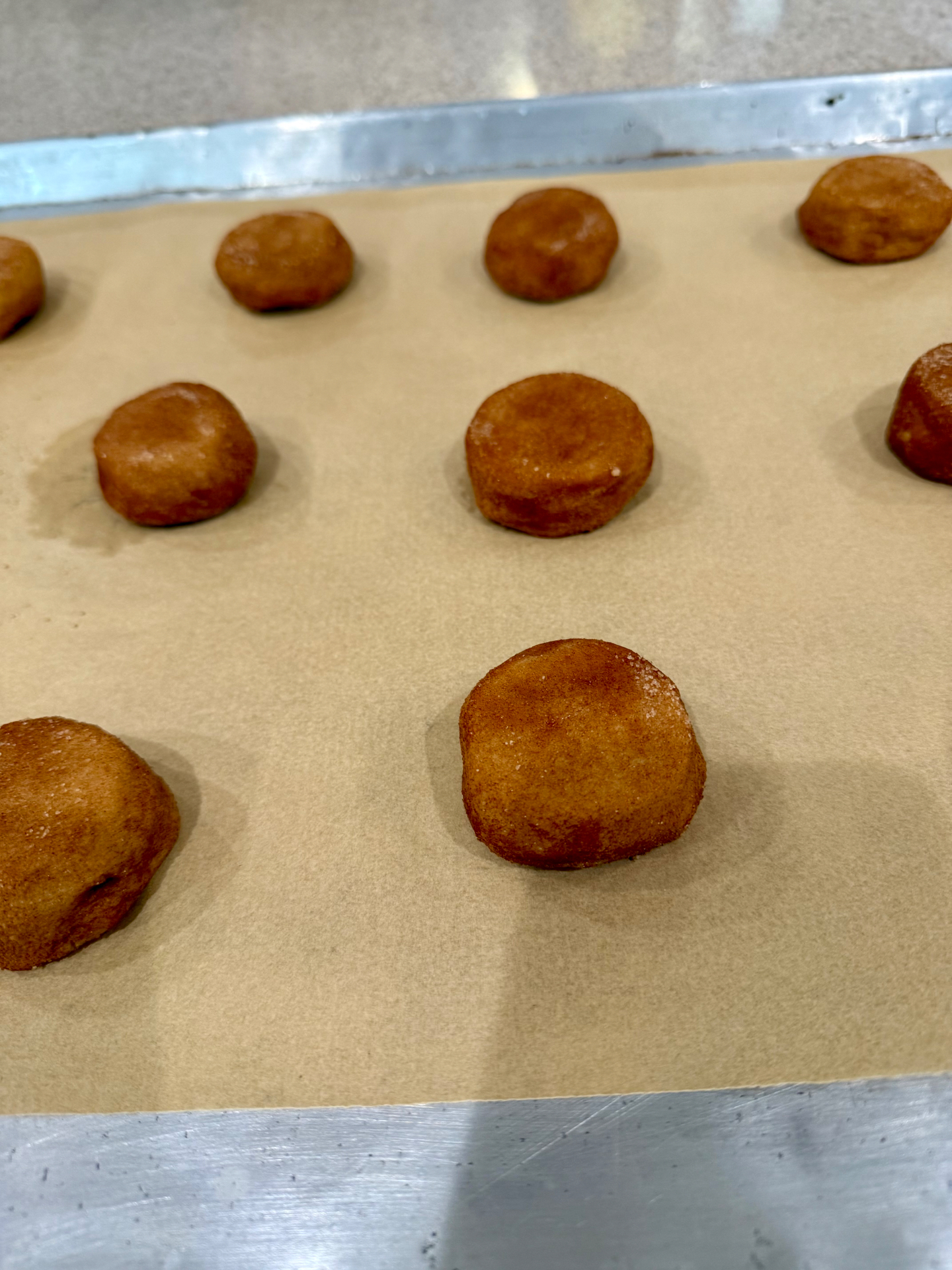
Remove the dough balls from the freezer. If they are too firm to shape, let them sit at room temperature for a few minutes. Gently press each one into a thick disk about ¾ inch tall, keeping the edges rounded. This encourages enough spreading to create lightly crisp edges while still leaving plenty of dough in the center for a soft, chewy texture. Do not flatten them thin.
How to Know When Snickerdoodles Are Done
Make sure the oven is completely preheated to 375°F. Arrange the cookies about 3 inches apart on a clean parchment-lined baking sheet and bake for 10–12 minutes, checking at the 10-minute mark. They are ready when the edges are set and lightly golden, the tops have puffed and begun to settle, and the centers still appear slightly soft. Do not wait for the centers to look completely firm in the oven — they continue baking from the residual heat of the pan and firm up more as they cool.
Cooling
Let the cookies rest on the baking sheet for about 7 minutes before transferring them to a wire cooling rack. Cool completely for the best crisp-edge, chewy-center texture.
Baking Tips
A few things that make the biggest difference:
- Measure flour carefully. Use 240 g for the most consistent result.
- Keep the cream of tartar. It provides the signature snickerdoodle flavor and helps create a tender texture.
- Use both sugars. Granulated sugar helps with the lightly crisp edges while brown sugar adds moisture and chewiness.
- Chill the dough for 10 minutes before scooping.
- Freeze the cinnamon-sugar-coated dough balls for 10 minutes.
- Gently flatten the chilled balls into thick disks before baking.
- Do not overbake.
- Let the cookies cool before judging the final texture. The edges firm as they cool while the centers remain chewy.
Storage and Make Ahead
Store completely cooled cookies in an airtight container at room temperature for 3–4 days, or freeze baked cookies in an airtight container for up to 3 months. Unbaked dough balls can also be frozen for up to 3 months. For longer freezer storage, freeze the dough balls without the cinnamon-sugar coating and add the coating before baking. Bake from frozen, allowing additional baking time as needed.
Printable Recipe Card
Snickerdoodles
Thick, buttery cookies with lightly crispy cinnamon-sugar edges and soft, chewy centers.
Prep: 15 minutes • Refrigerate: 10 minutes • Freeze: 10 minutes • Bake: 10–12 minutes • Oven: 375°F
Ingredients
- FOR THE COOKIE DOUGH
- ¾ cup (170 g) unsalted butter, softened
- ¾ cup (150 g) granulated sugar
- ¼ cup (50 g) light brown sugar, packed
- 1 large egg
- 1½ teaspoons pure vanilla extract
- 2 cups (240 g) all-purpose flour
- 1 teaspoon cream of tartar
- ½ teaspoon baking soda
- ½ teaspoon salt
- FOR THE CINNAMON-SUGAR COATING
- 3 tablespoons granulated sugar
- 1½ teaspoons ground cinnamon
Instructions
- 1Beat softened butter, granulated sugar, and brown sugar together for approximately 2 minutes until creamy and slightly fluffy.
- 2Beat in the egg and vanilla until fully combined.
- 3In a separate bowl, whisk together flour, cream of tartar, baking soda, and salt.
- 4Gradually add the dry ingredients to the butter mixture. Mix on low just until combined.
- 5Cover and refrigerate the dough for 10 minutes.
- 6Scoop the dough into 18 evenly sized portions and roll each portion into a smooth ball.
- 7Mix the cinnamon and sugar in a shallow bowl and generously coat each dough ball.
- 8Arrange the coated dough balls on a parchment-lined baking sheet and freeze for 10 minutes.
- 9Remove from the freezer. If needed, allow them to stand for a few minutes until they can be shaped. Gently flatten each into a thick disk about ¾ inch tall.
- 10Arrange approximately 3 inches apart on a clean parchment-lined baking sheet.
- 11Bake at 375°F for 10–12 minutes, checking at 10 minutes. Remove when the edges are set and lightly golden and the centers still look slightly soft.
- 12Cool on the baking sheet for approximately 7 minutes, then transfer to a wire rack.
Notes
- Measure flour carefully; 240 g gives the most consistent result.
- Do not omit the cream of tartar.
- The 10-minute freezer rest helps control spreading.
- Do not flatten the dough too thin.
- Do not overbake. The centers continue setting as the cookies cool.